Literature
In an effort to make knowledge about traditional architecture, urbanism and crafts available to the public, we share relevant lectures, studies, articles, book recommendations and videos for free.
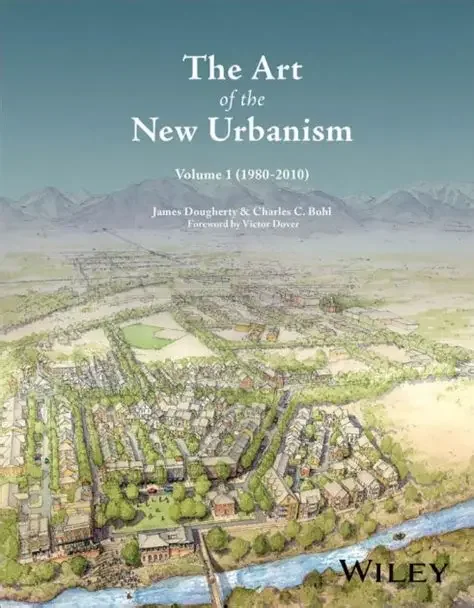
The Art of the New Urbanism features the first-ever, comprehensive collection of New Urbanist artworks, with more than 200 selected works produced by more than 100 practitioners and firms. The collected works include plans, renderings of buildings, streetscapes and gathering places, studies of precedents, and photographs of built projects.
Architectural Principles in the Age of Fraud presents a powerful criticism of modernist views on architecture and argues that the rise of obfuscation and philosophical posturing among architects and architectural academics is primarily a defensive strategy intended to draw attention away from the failure of Modernism in architecture.
James Dougherty & Charles C. Bohl
Branko Mitrovic
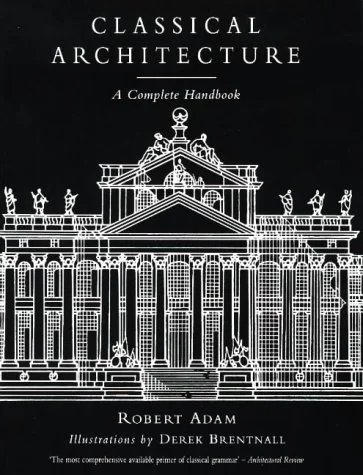
This book provides insight into the complex art of architecture and provides practical advice on its effective application. Carefully analyzed examples from both historic and contemporary buildings reveal how classic architectural principles can be interpreted in fresh and innovative ways. Through detailed case studies, the book explores how architectural elements can be combined in different ways to achieve distinct aesthetic effects.
David Varon
Liang Sicheng
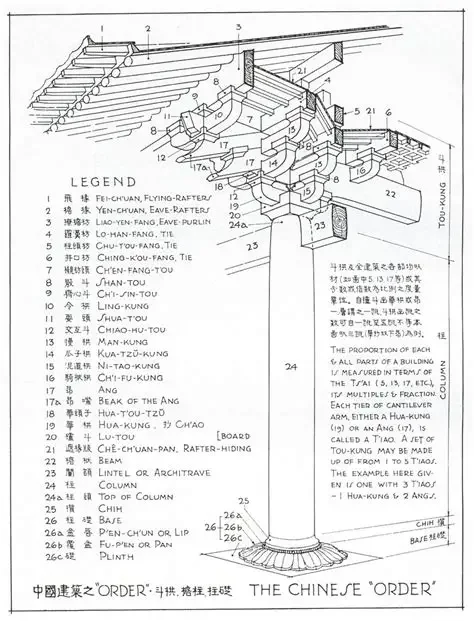
More than 240 rare photographs and drawings highlight this excellent pictorial record and analysis of Chinese architectural history. Based on years of unprecedented field studies by the author, the illustrations depict many of the temples, pagodas, tombs, bridges, and imperial palaces comprising China's architectural heritage.
Raymond Unwin's Town Planning in Practice: An Introduction to the Art of Designing Cities and Suburbs is an extraordinary compendium of images and theories on urban design. As a member of the generation of planners following Camillo Sitte and preceding the emergence of the modern planners of the 1920s, Unwin considered planning a design-based discipline rather than a purely technical one. He believed that artistic and practical criteria were mutually supportive and carried this out in his work by creating plans that represented a unity of art, science, and technology.
Raymond Unwin
Andrea Palladio
Andrea Palladio (1508–1580) was one of the most celebrated architects of the Renaissance, so important that the term Palladian has been applied to a particular style of architecture that adheres to classical concepts. The wide spread of Palladianism was due partly to the private and public buildings he constructed in Italy, the designs of which were copied throughout Europe. His remarkable magnum opus, "I Quattro Libri dell'Architettura" has been one of the most influential books in the history of architecture.
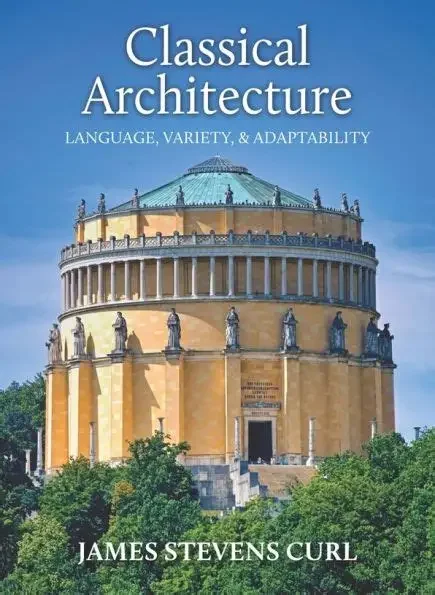
James Stevens Curl celebrates the richness of Classical architectural vocabulary, grammar and language, and demonstrates the huge range of themes and motifs found in the subject. The book provides a basis for understanding this rich source of architectural design which has been at the core of Western culture for over 2500 years and continues to be widely studied and practised worldwide. For practicing architects, planners and students, this is the benchmark book for understanding the Classical tradition in architecture and landscape.
James Stevens Curl
Michael G. Imber
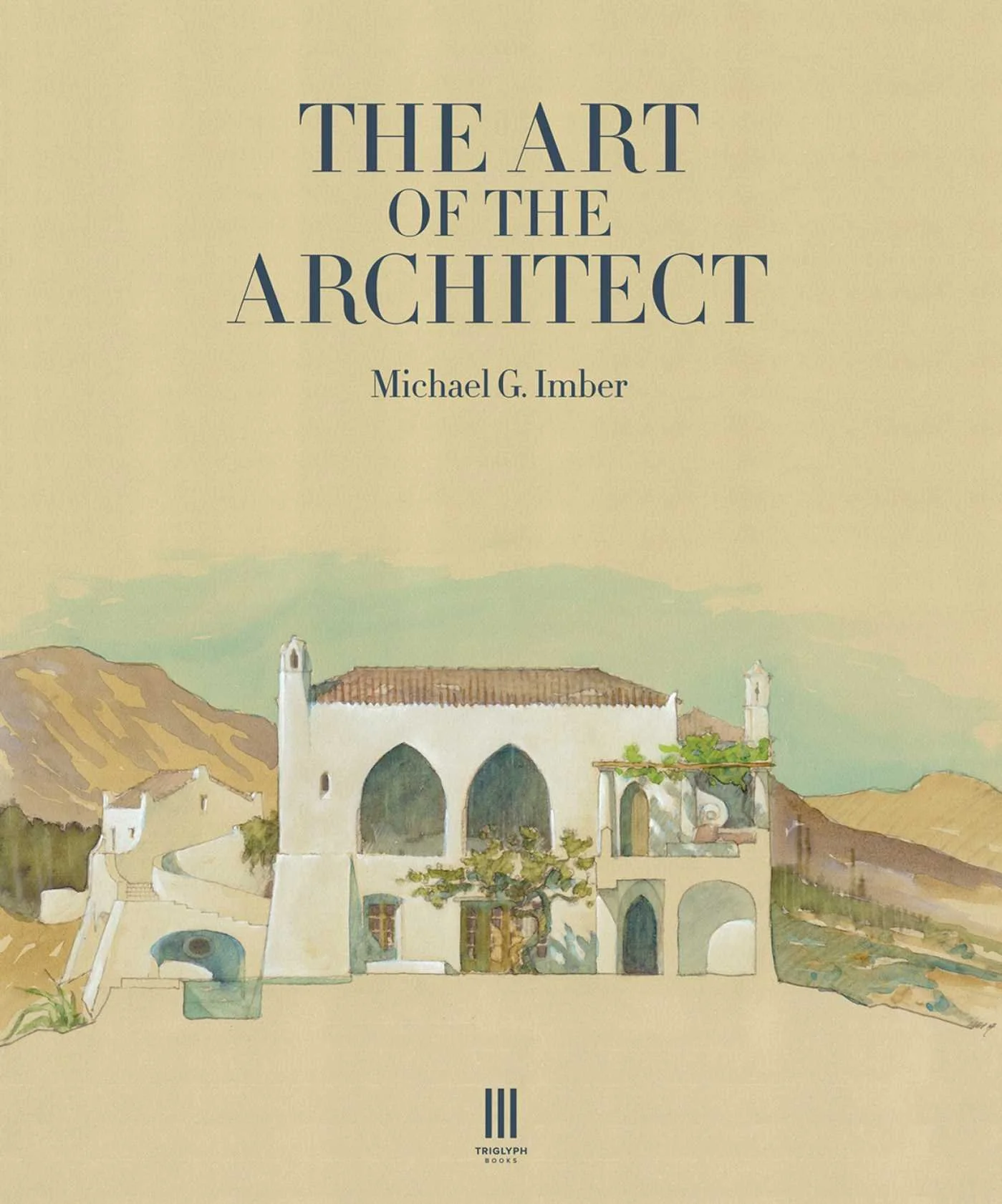
The Art of the Architect celebrates the role that drawing and watercolor painting play in architecture. Architectural drawing as we know it dates from the Renaissance, but with the arrival of computer design programs this ancient art - formed of pen, pencil, and brushstrokes on paper - is sometimes regarded as obsolete. The work of Michael G. Imber, whose watercolors and sketches are published here for the first time, shows what a vital contribution they can still make at every stage of an architectural project.
Marianne Cusato & Ben Pentreath
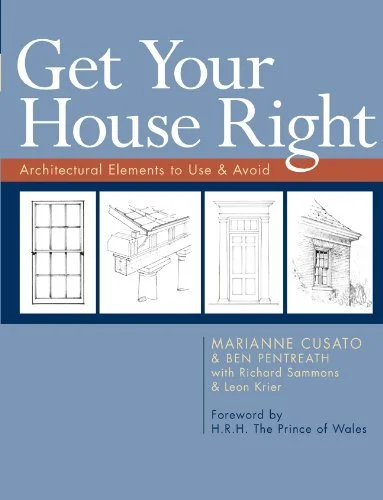
Sick of McMansions? Marianne Cusato, creator of the award-winning Katrina Cottages, is a champion of traditional architectural principles: structural common sense, aesthetics of form, appropriateness to a neighborhood, and sustainability. She presents the definitive guide to what makes houses look and feel right, revealing the dos and donts of livable home design.
William T. Comstock
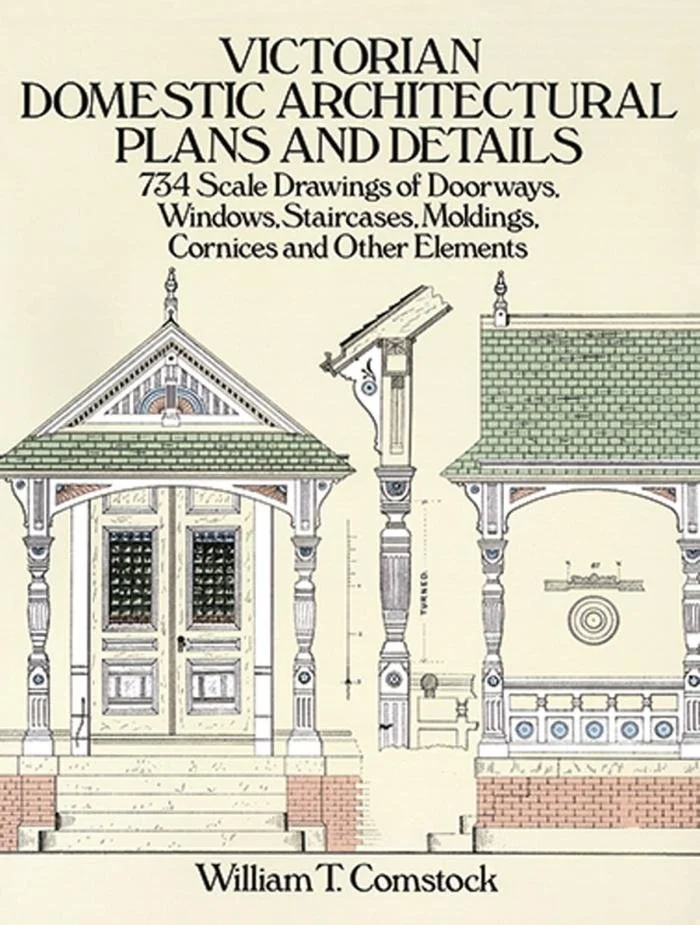
Rare treasury of floor plans, elevations, perspective drawings for houses and cottages in Queen Anne, Eastlake, Elizabethan, Colonial, other styles. Large engraved plates also contain scaled drawings of nearly 700 architectural details. Invaluable resource for restorers, preservationists, students, etc. 734 black-and-white illustrations.
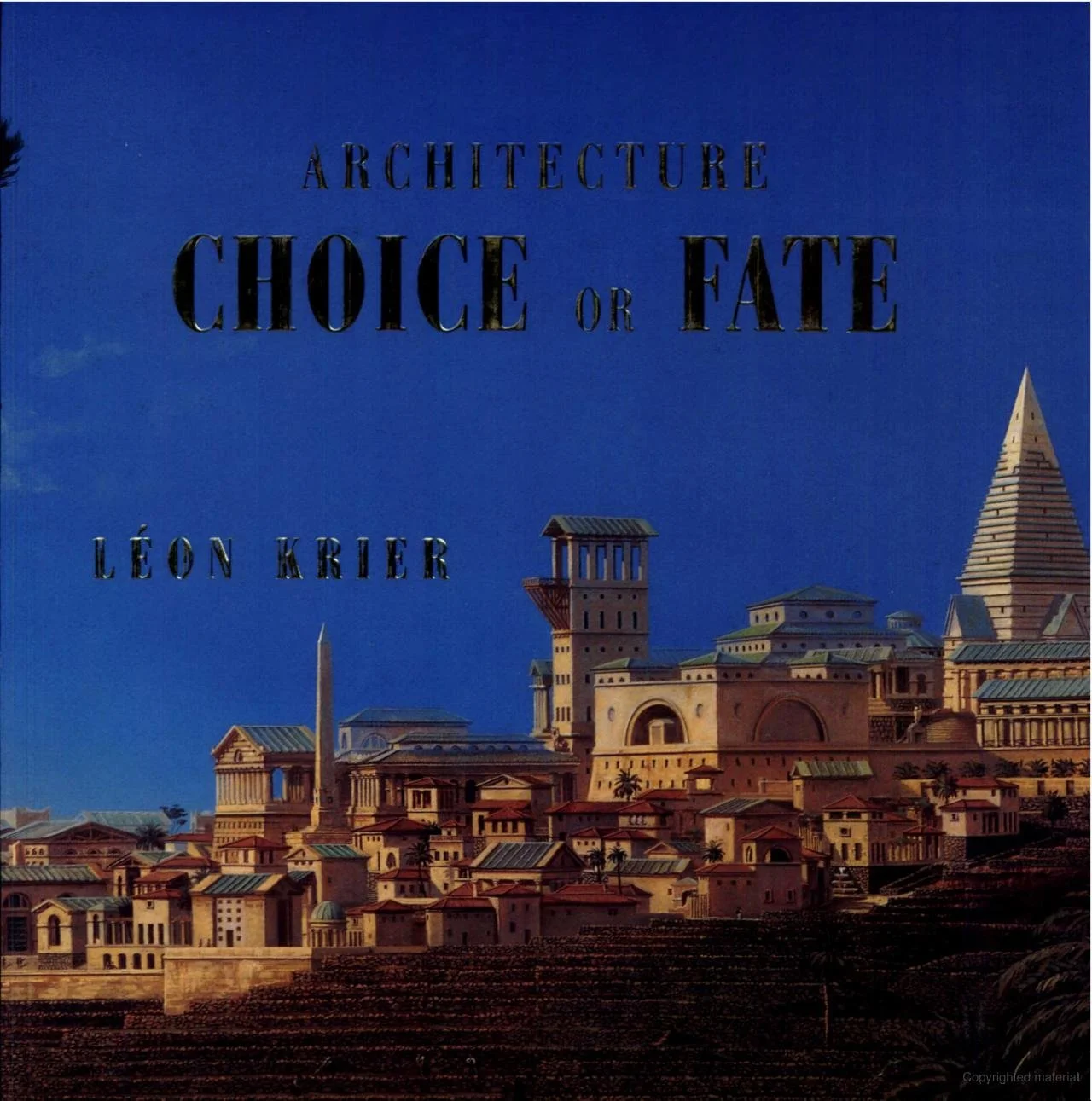
Leon Krier was one of the most provocative architectural critics of this century who has consistently questioned the wisdom of the principles of the modem movement in both architecture and urban planning. As he forcefully reminds us, architecture is no longer the domain of architects alone. This polemic is essential reading for anyone concerned with the state and direction of architecture and urban planning today. It is an essential tool in the art of building cities, an art that we have lost.
Leon Krier
Leland M. Roth
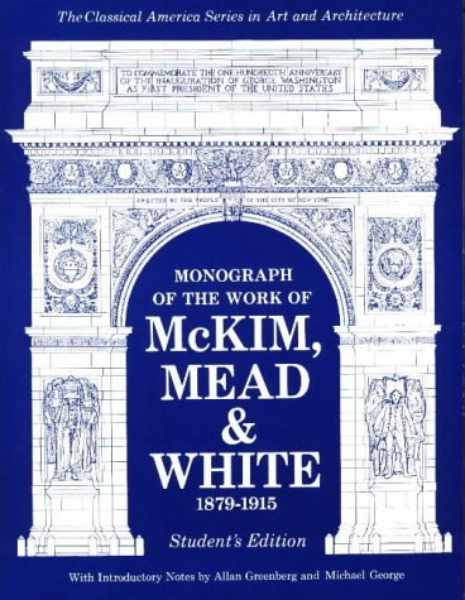
McKim, Mead & White was one of the preeminent American architectural firms at the turn of the 20th century. This classic monograph reproduces plans and facades of some of the firm's most famous works such as the Washington Arch in Washington Square Park, New York City; the original Pennsylvania Station in New York City; The Morgan Library & Museum, New York City; The Boston Public Library; and the renovation of the White House in Washington, DC.
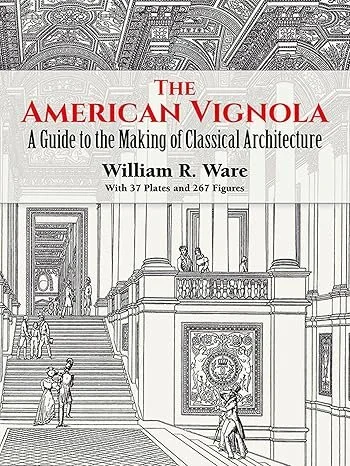
The American Vignola contains tables of the Tuscan, Ionic, Doric, Corinthian, and Composite Orders; measured drawings of the great monuments of the ancient, Renaissance, and baroque periods; and guides for drawing and establishing geometrical relations. Especially important are its detailed practical instructions for designing classical arches and vaults, roofs and domes, doors and windows, walls and ceilings, steps and staircases, and more. Over 300 illustrations illuminate the text, including 37 full-page plates and 267 smaller figures.
William R. Ware
James Stevens Curl
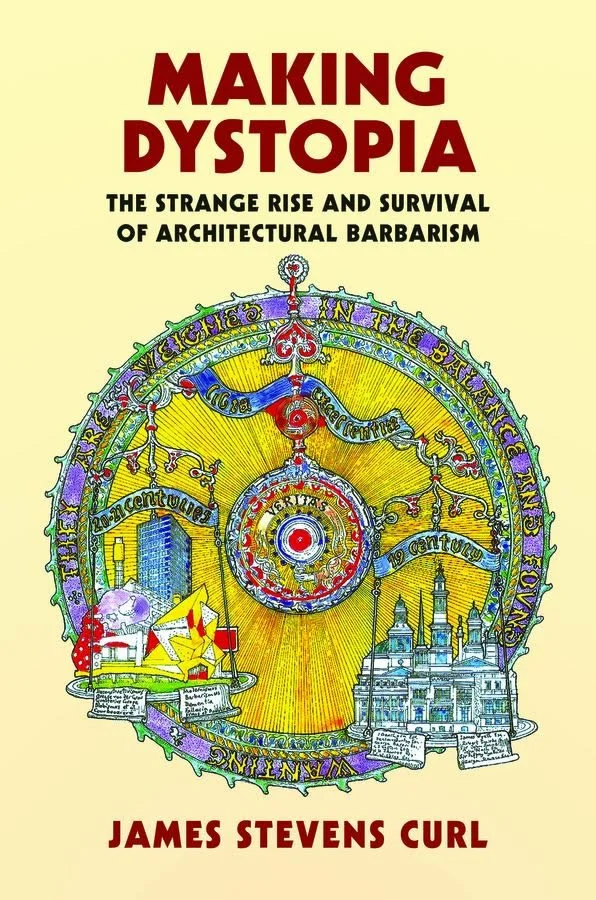
In Making Dystopia, distinguished architectural historian James Stevens Curl tells the story of the advent of architectural Modernism in the aftermath of the First World War, its protagonists, and its astonishing, almost global acceptance after 1945. He argues forcefully that the triumph of architectural Modernism in the second half of the twentieth century led to massive destruction, the creation of alien urban landscapes, and a huge waste of resources.
The first Danish language version of this book, published in 1971, was very much a protest against the functionalistic principles for planning cities and residential areas that prevailed during that period. Now 40 years later, many architectural trends and ideologies have passed by over the years. These intervening years have also shown that the liveliness and livability of cities and residential areas continues to be a important issue. The character of life between buildings changes with changes in any given social context, but the essential principles and quality criteria to be employed when working with life between buildings has proven to be remarkably constant.
Jan Gehl
"Patterns," the units of this language, are answers to design problems (How high should a window sill be? How many stories should a building have? How much space in a neighborhood should be devoted to grass and trees?). More than 250 of the patterns in this pattern language are given: each consists of a problem statement, a discussion of the problem with an illustration, and a solution. The patterns are archetypal, so deeply rooted in the nature of things that it seemly likely that they will be a part of human nature, and human action, as much in five hundred years as they are today.
Christopher Alexander et al.
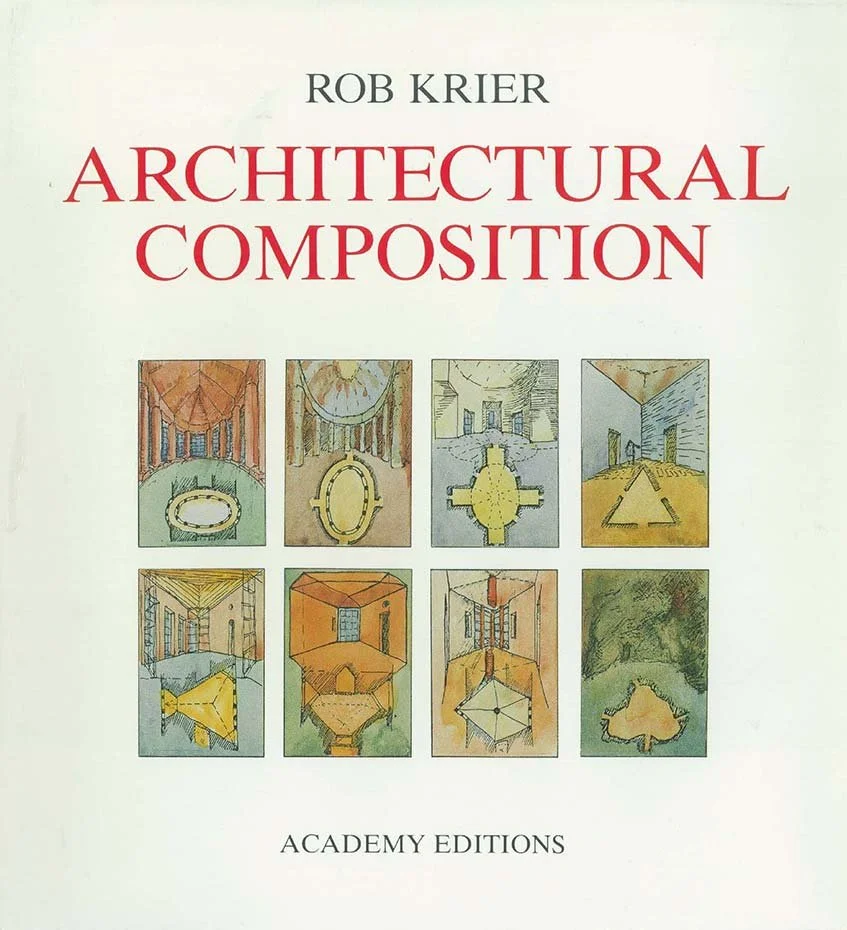
A beautifully illustrated theoretical and visual analysis of the creative process that forms the vision and practice of one of Europe's most important architectural theorists since World War II. Over 500 illustrations offer excellent examples of points made in the text. A superior reference for both students and practicing architects.
Rob Krier
Well arranged, logical, and aptly illustrated, this classic survey covers every aspect of the design process. It addresses architectural principles as well as their practical application, examining general questions of scale, balance, proportion, and symmetry and presenting detailed treatments of doors, windows, walls, stairways, columns, and other features.
Nir Haim Buras
Nathaniel Cortlandt Curtis
An accomplished architect and urbanist goes back to the roots of what makes cities attractive and livable, demonstrating how we can restore function and beauty to our urban spaces for the long term. The Art of Classic Planning celebrates the enduring principles of urban design and invites us to return to building beautiful cities.
Architectural Rendering in Wash is an essential guide for architects, draftsmen, and artists interested in the meticulous art of architectural rendering. This classic manual provides comprehensive instructions on the techniques and methodologies of rendering in wash, with a focus on India Ink. This work is invaluable for those seeking to master the craft of architectural presentation, offering insights that are as relevant today as they were a century ago.
Robert Adam
The Art of the New Urbanism features the first-ever, comprehensive collection of New Urbanist artworks, with more than 200 selected works produced by more than 100 practitioners and firms. The collected works include plans, renderings of buildings, streetscapes and gathering places, studies of precedents, and photographs of built projects.
Harold van Buren
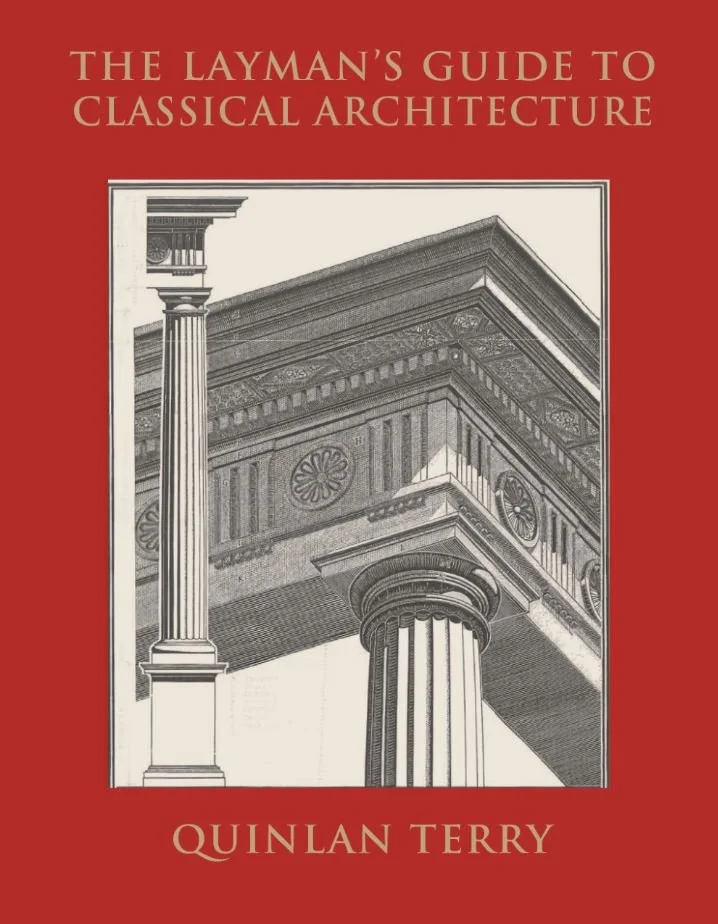
In this beautiful illustrated survey, British architect Quinlan Terry presents his ultimate guide to classical architecture. With intricate and lively sketches, he explains the classical orders of architecture. The tradition of building using these orders was maintained well into the 20th century, until modernism began to dominate architecture. This book aims to place focus on the kind of architecture that dominated the field for almost 2,000 years in the West―the vocabulary and heritage of which is known by few today.
Franz Sales Meyer
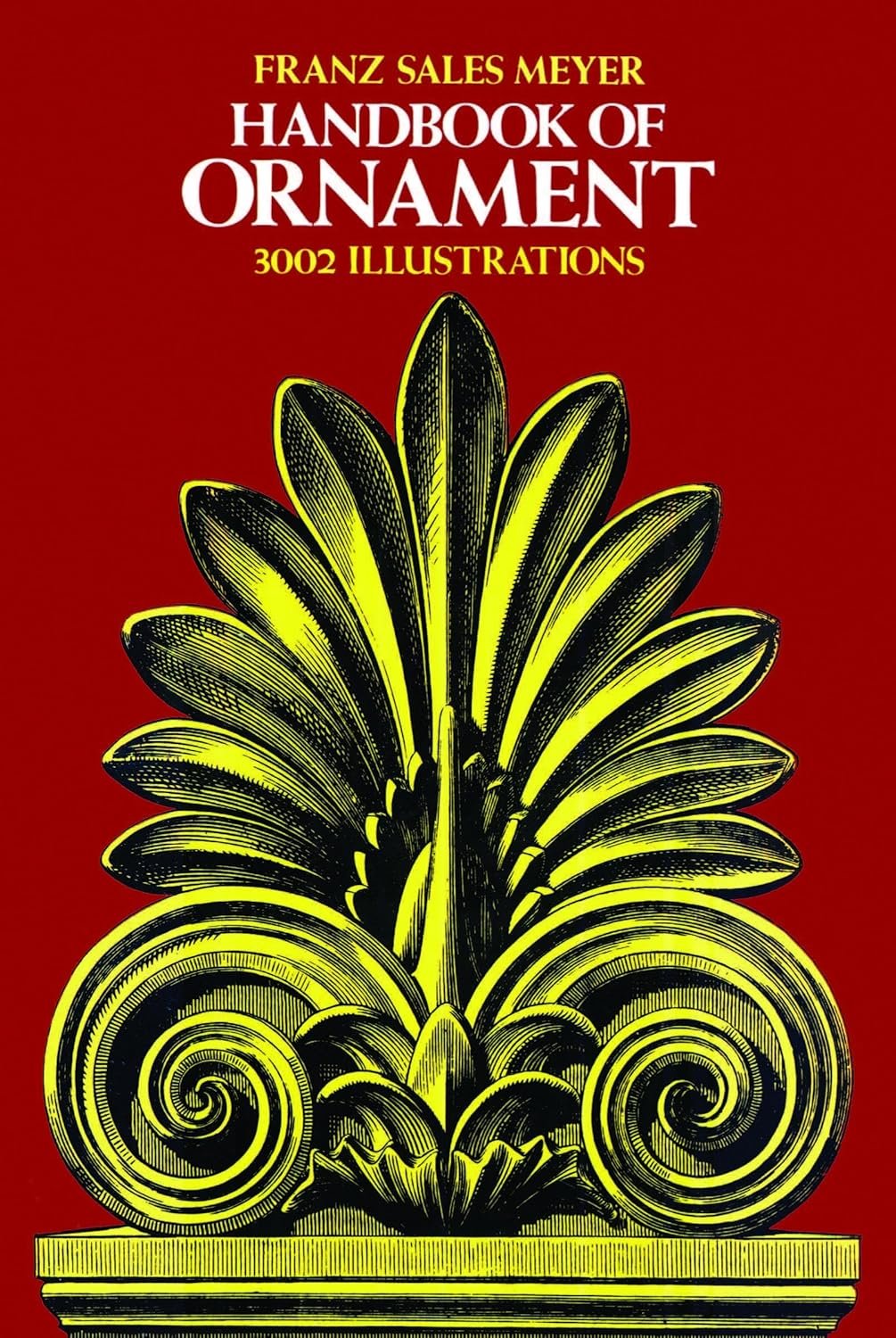
Republished unabridged from the final comprehensive edition, this work contains the largest single-volume collection of classical art motifs ever compiled. It reproduces material from Greek and Roman, medieval European, Islamic, Renaissance, baroque, and early nineteenth-century art, architecture, and design — in all, presenting artists, crafters, and students with more than 3,000 designs.
Quinlan Terry
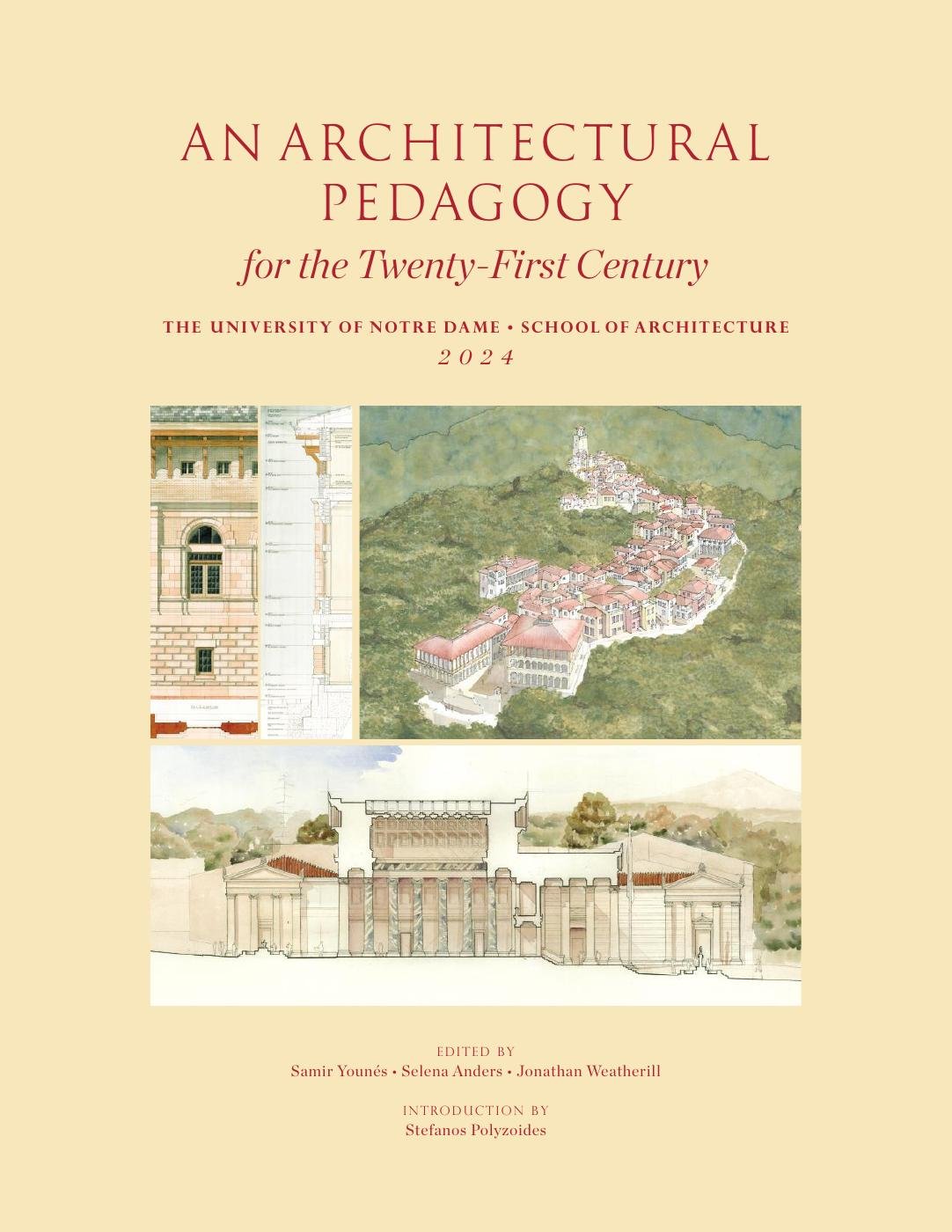
Over the last thirty years, the University of Notre Dame has developed a pedagogy that seeks cultural continuity, community, and harmony with nature through mindful design. It is a vital point of departure for addressing the urban and environmental changes that all societies currently face. Their pedagogy’s goals, content, and methodological rigor, as well as its commitment to both substance and change, as part of a legitimate campaign to restore architecture to its millennial role: generating the most diverse possible human habitat with reason, beauty, intelligence, justice, and peace in mind.
Howard Robertson
University of Notre Dame
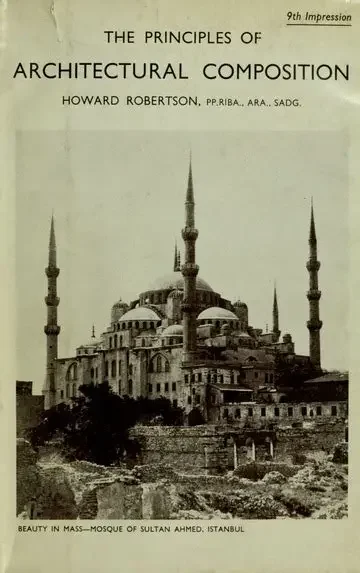
Principles of Architectural Composition stands as one of the most influential treatises on design theory from the pivotal interwar period. This volume is essential reading for architecture students seeking foundational knowledge in design theory, practicing architects interested in classical compositional principles and preservationists working with historical buildings.
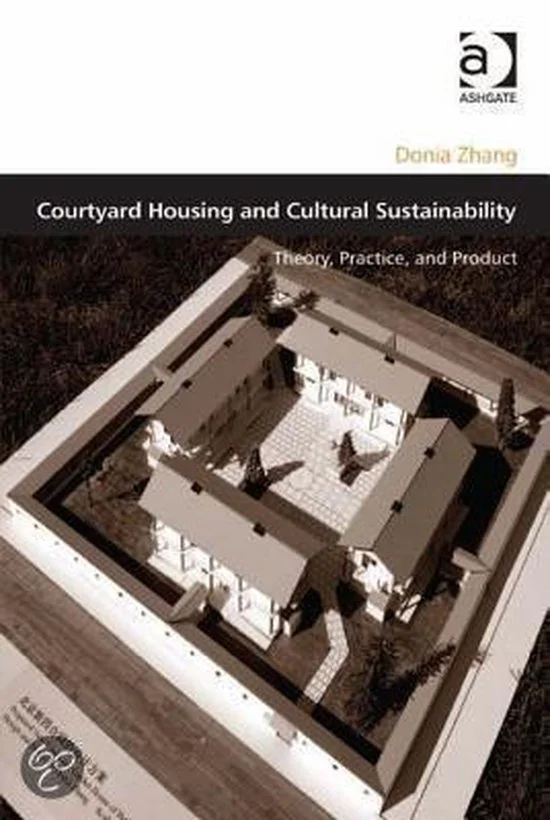
The Chinese have lived in single-extended-family courtyard houses in many parts of China for thousands of years. Using an innovative architectural and social science approach, this book examines the political, economic, social, and spatial factors that affect cultural sustainability. The book proposes new courtyard garden house design strategies that promote healthy communities and human care for one another, a concept that is universally applicable.
Peter May
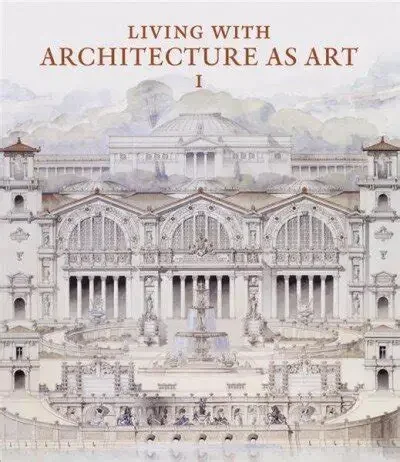
This stunning two-volume publication introduces readers to one of the largest private collections of architectural drawings in the world. Showcasing drawings and related models and artifacts dating from 1691 to the mid-twentieth century, this lavish tome provides a fascinating look at these often beautiful byproducts of architectural training and practice. The collection comprises more than six hundred architectural sheets, all carefully preserved and handsomely framed.
Donia Zhang