
Studies and Articles
In an effort to make knowledge about traditional architecture, urbanism and crafts available to the public, we share relevant lectures, studies, articles, book recommendations and videos for free.
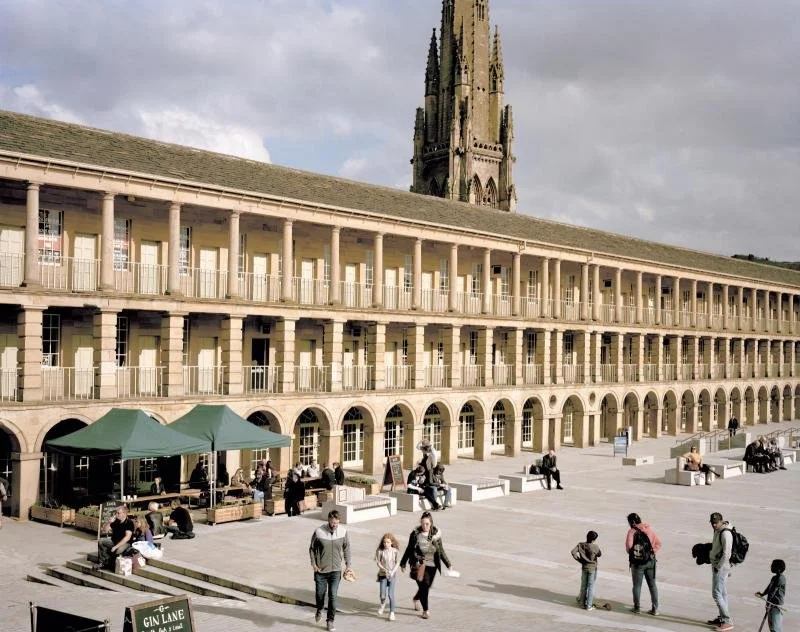
Living with Beauty: The Building Better, Building Beautiful Report
Report from the Building Better, Building Beautiful Commission, promoting health, well-being and sustainable growth
by the Building Better, Building Beautiful Commission
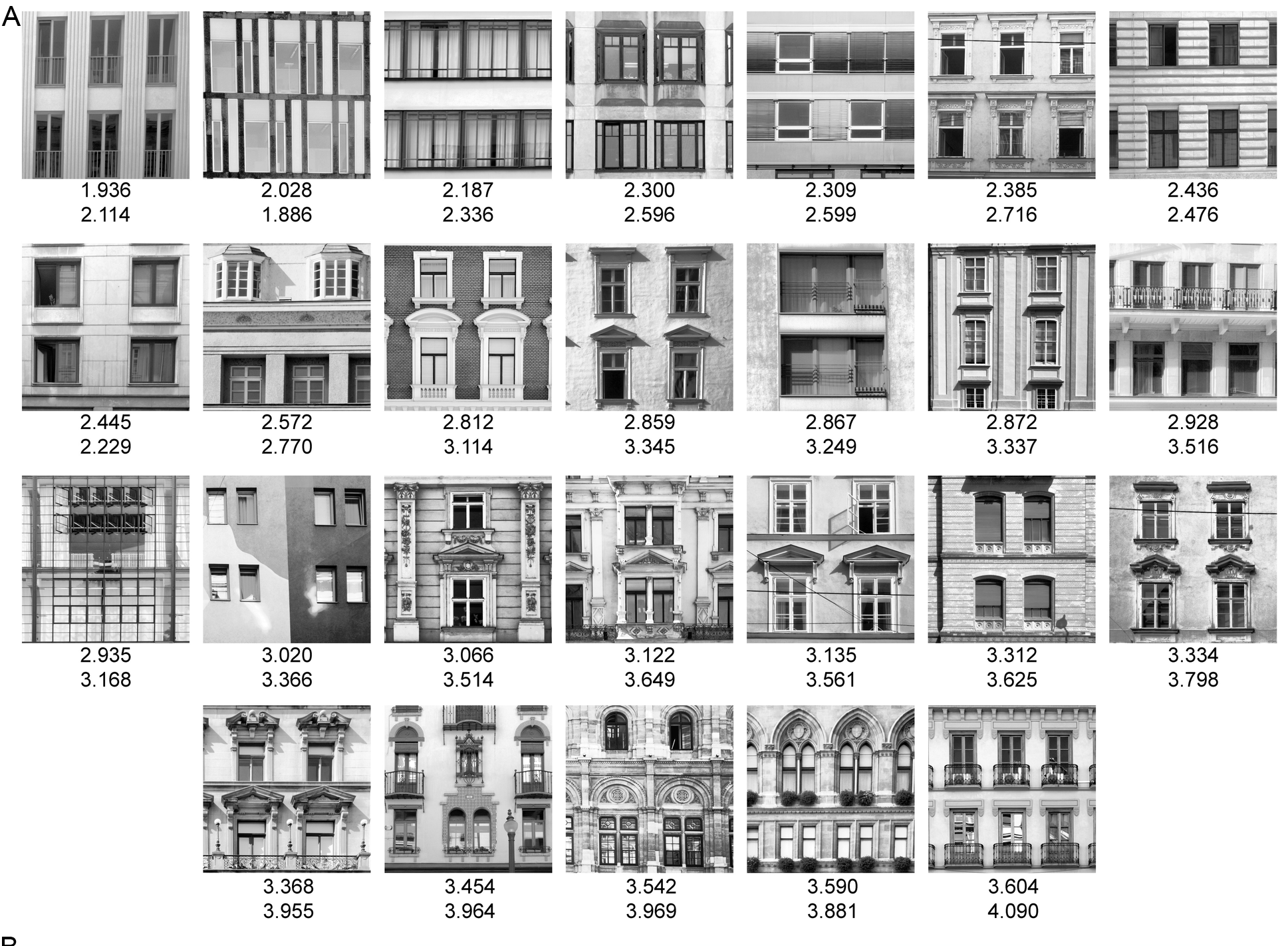
Infant Visual Preferences and Adult Aesthetic Judgements
The edge orientation entropy of natural scenes is associated with infant visual preferences and adult aesthetic judgements
by Philip McAdams, Sara Svobodova, Taysa-Ja Newman, Kezia Terry, George Mather, Alice E. Skelton, Anna Franklin
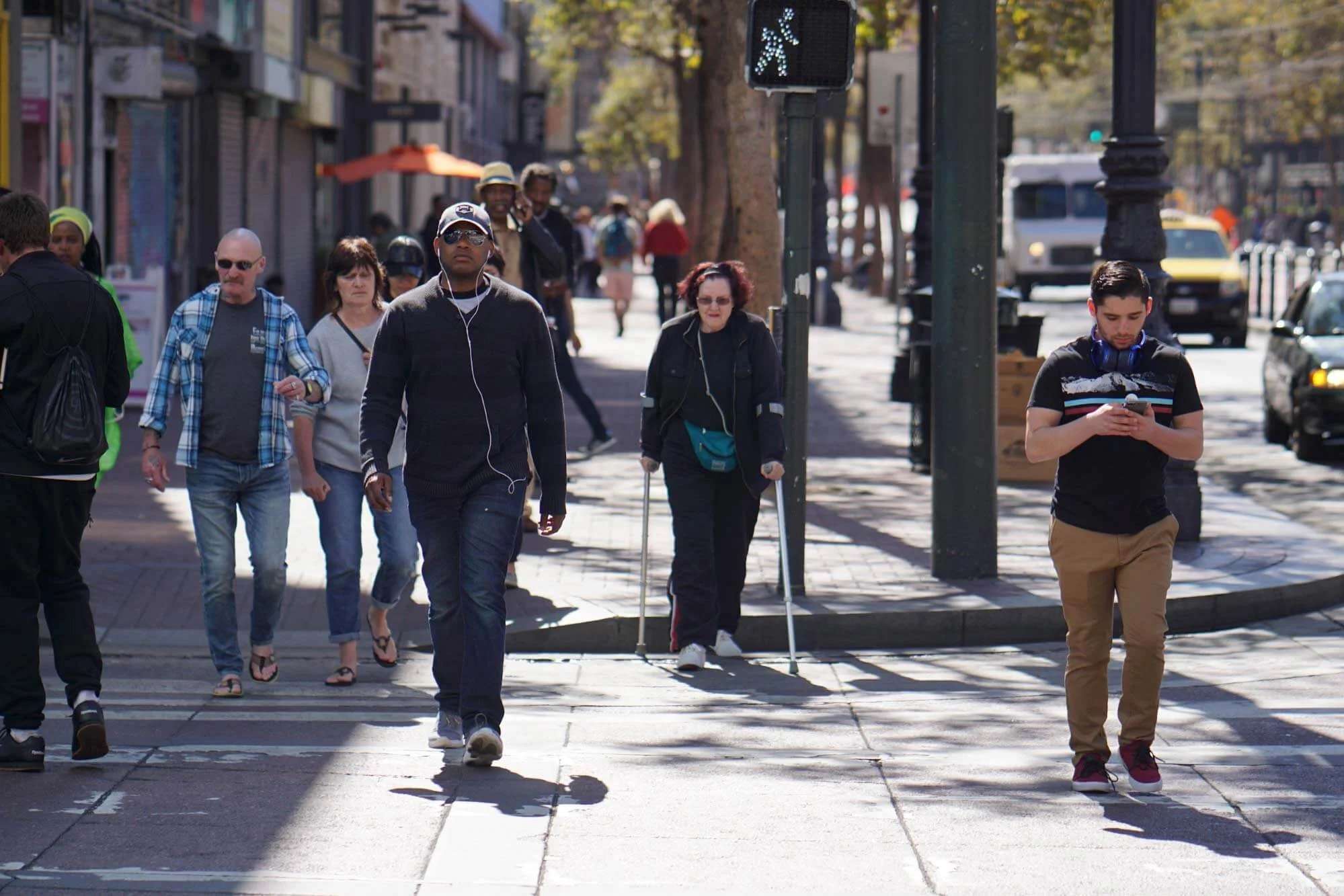
What Happens in Your Brain When You Walk Down the Street?
Implications of Architectural Proportions, Biophilia, and Fractal Geometry for Urban Science.
by Aenne A. Brielmann, Nir. H. Buras, Nikos. A. Salingaros, Richard P. Taylor
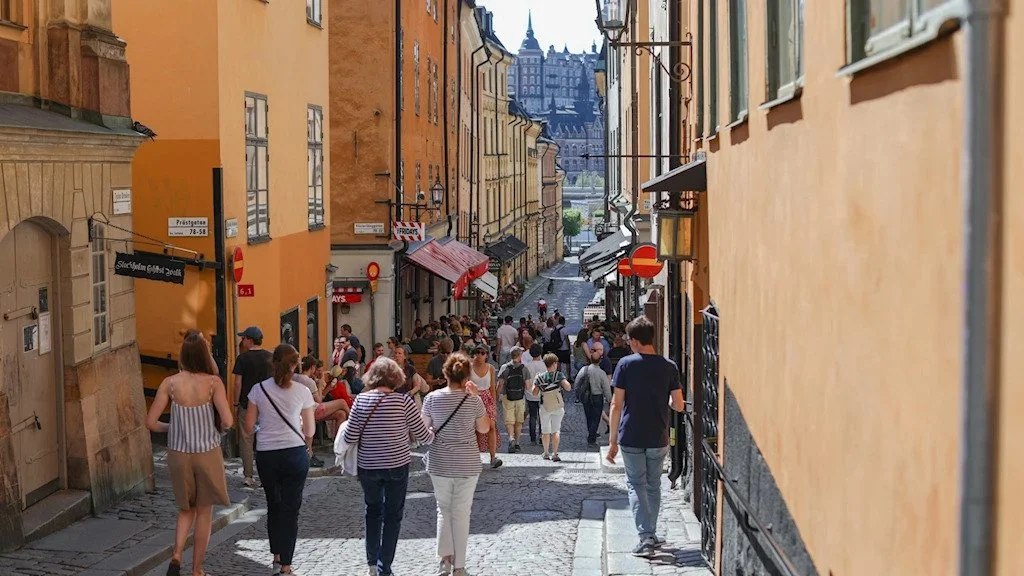
How Beauty Facilitates Walking and Physical Activity
Pedestrians' perceptions of route environments in relation to deterring or facilitating walking
by Dan Andersson, Lina Wahlgren, Peter Schantz
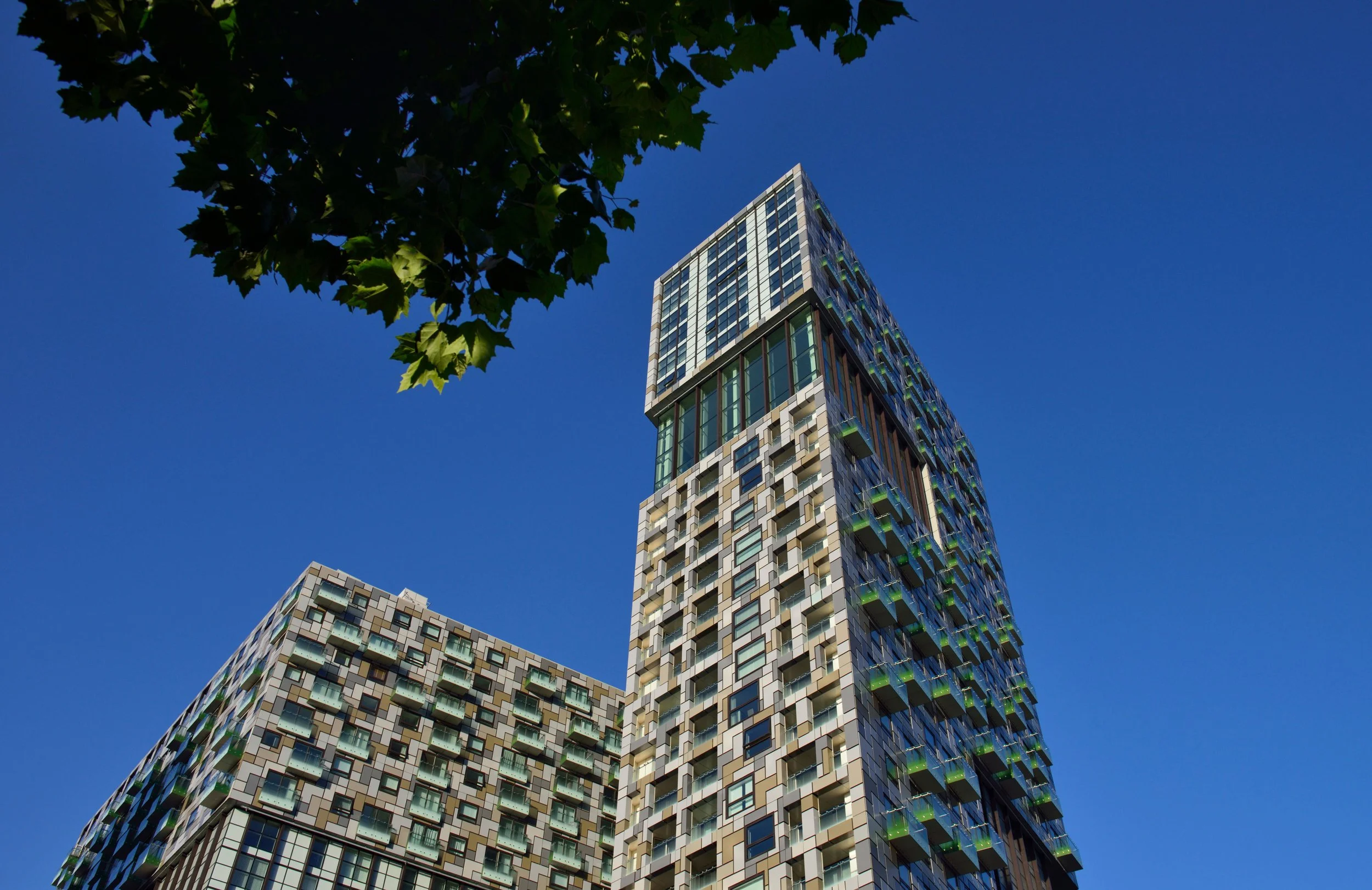
We Now Know Architecture can Cause Stress
Where our built environment includes stress-inducing architectural forms, we are repeatedly exposed, repeatedly pushed out of homeostasis.
by PhD. Cleo Valentine
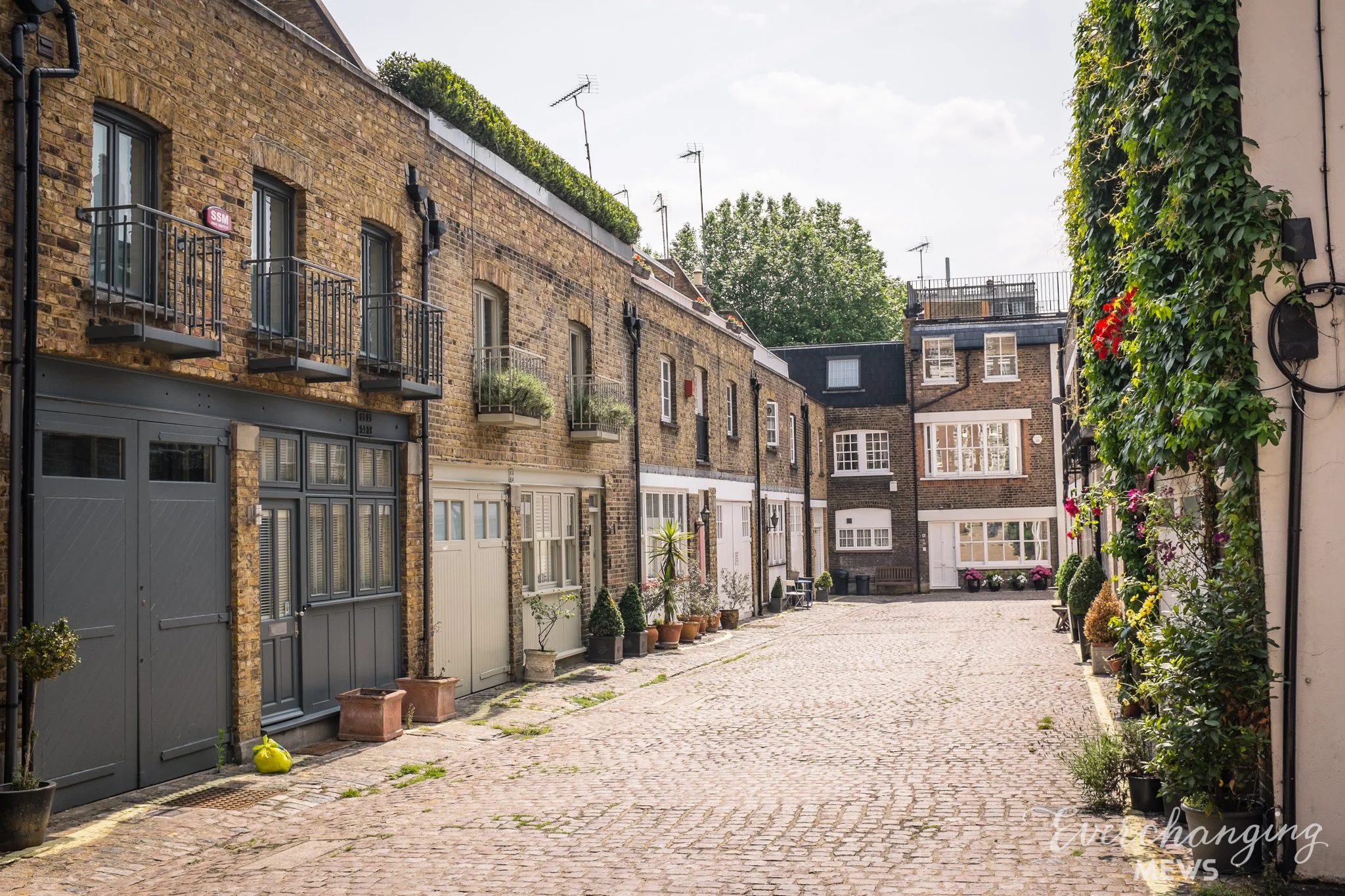
Busting the Myth that Alleys Cost More
A careful apples-to-apples analysis shows that the classic urban pattern can actually cost less – but it mostly depends on the shape of the lots.
by Michael Mehaffy, Laurence Qamar
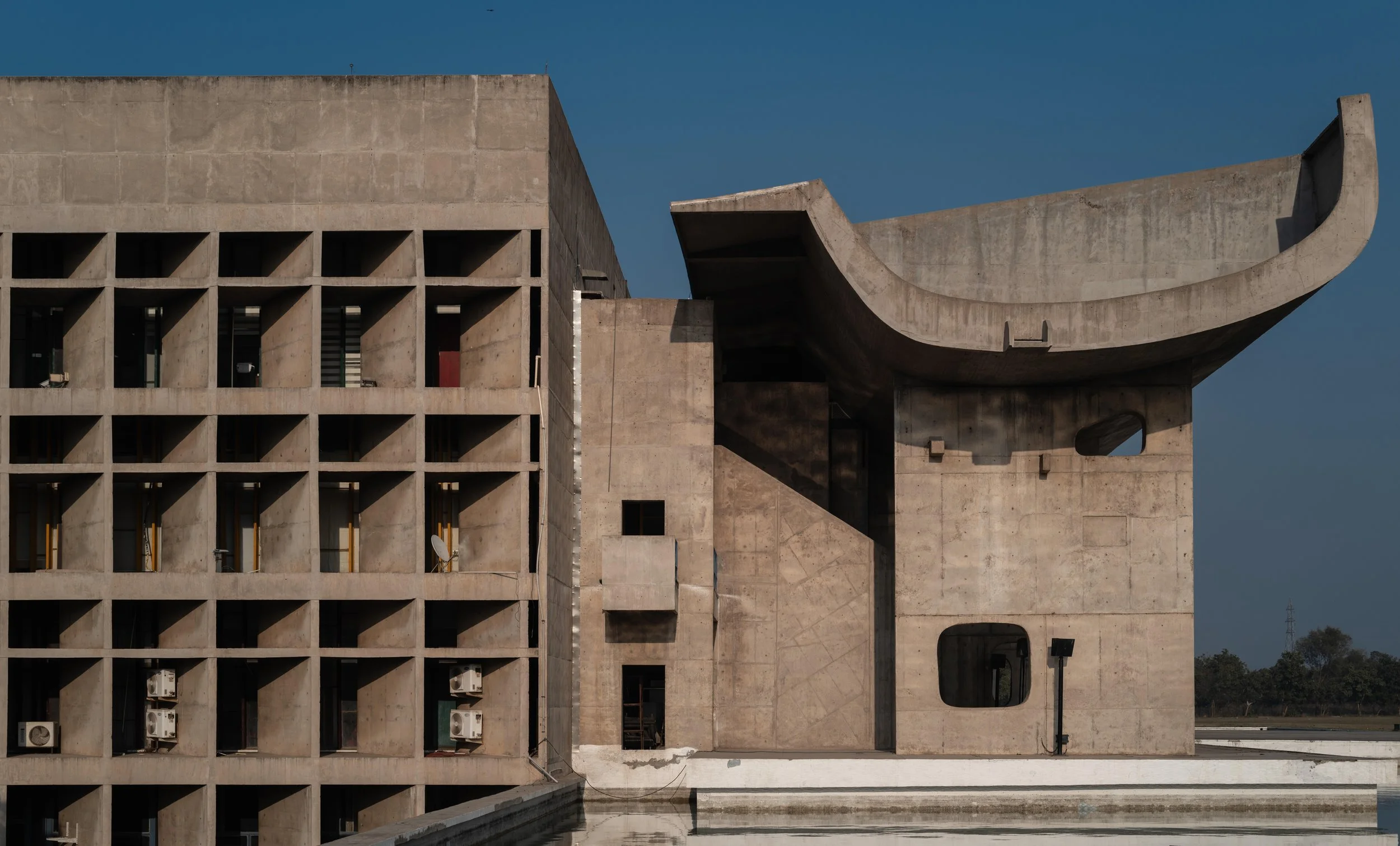
Is there a “design disconnect” between architects and the rest of the population?
This study strongly supports previous research finding a measurable dissociation between the buildings most architects prefer aesthetically and those that the general public prefer
by Francisco Contreras Chávez, David Milner

Neighborhood Walkability, Physical Activity, and Walking Behavior
The Swedish Neighborhood and Physical Activity (SNAP) study
by Kristina Sundquist, Ulf Eriksson, Naomi Kawakami, Lars Skog, Henrik Ohlsson, Daniel Arvidsson

An Investigation of the Perception of Neoclassical, Eclectic, Modernist, and Postmodern Architecture
These findings and their theoretical exploration provide inferences into the complexities of public perceptions of architectural styles, with potential implications for the integration of citizen preferences into future research on architectural/urban design and planning.
by Amaury Chesné, Romanos Ioannidis
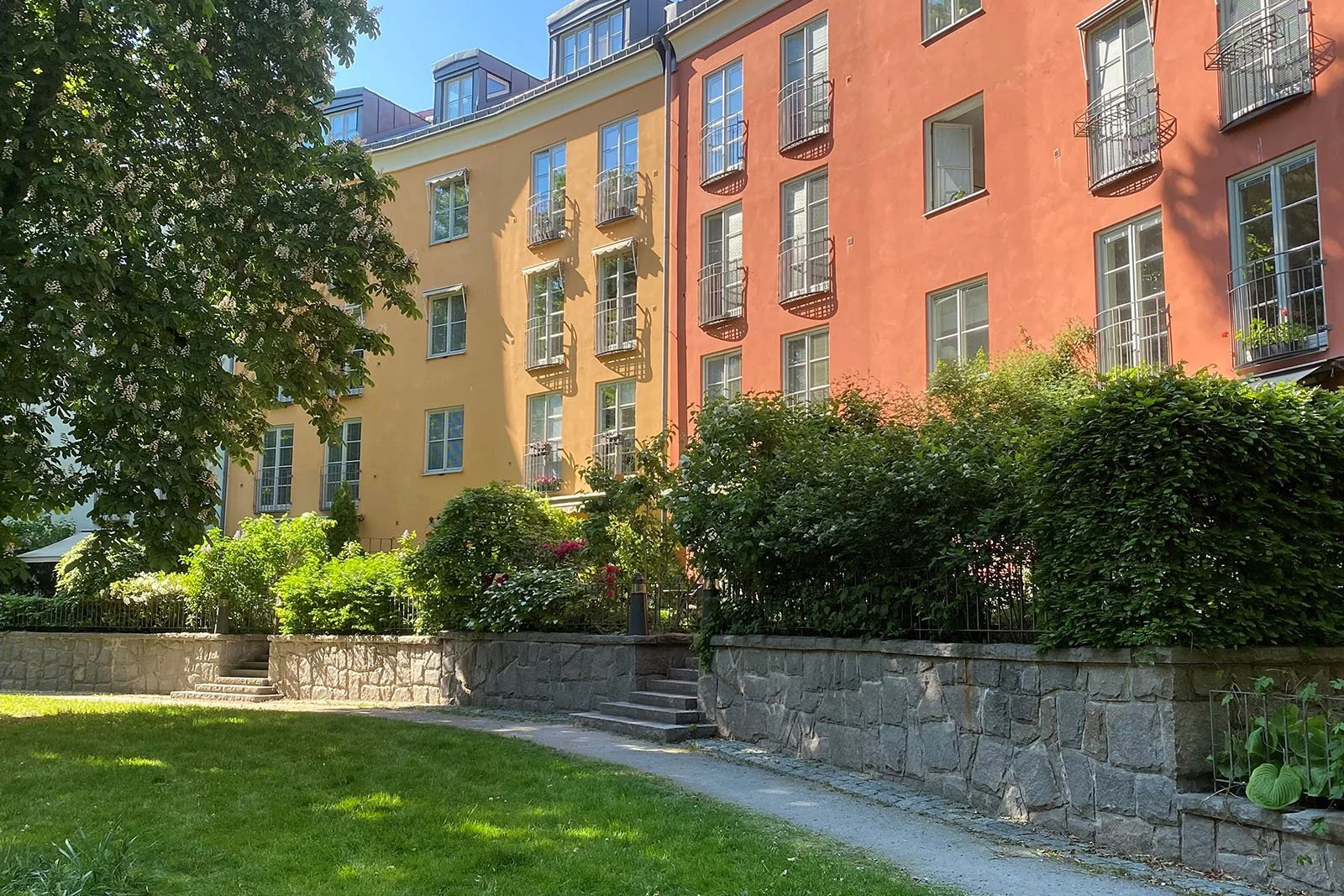
From Boring Boxes to Beautiful Cost-Effective Houses
The purpose of the study is to identify how housing developers can accomplish an exterior architectural design that is considered aesthetical attractive by its end-users.
by Rebecca Granström, Sofia Wahlström
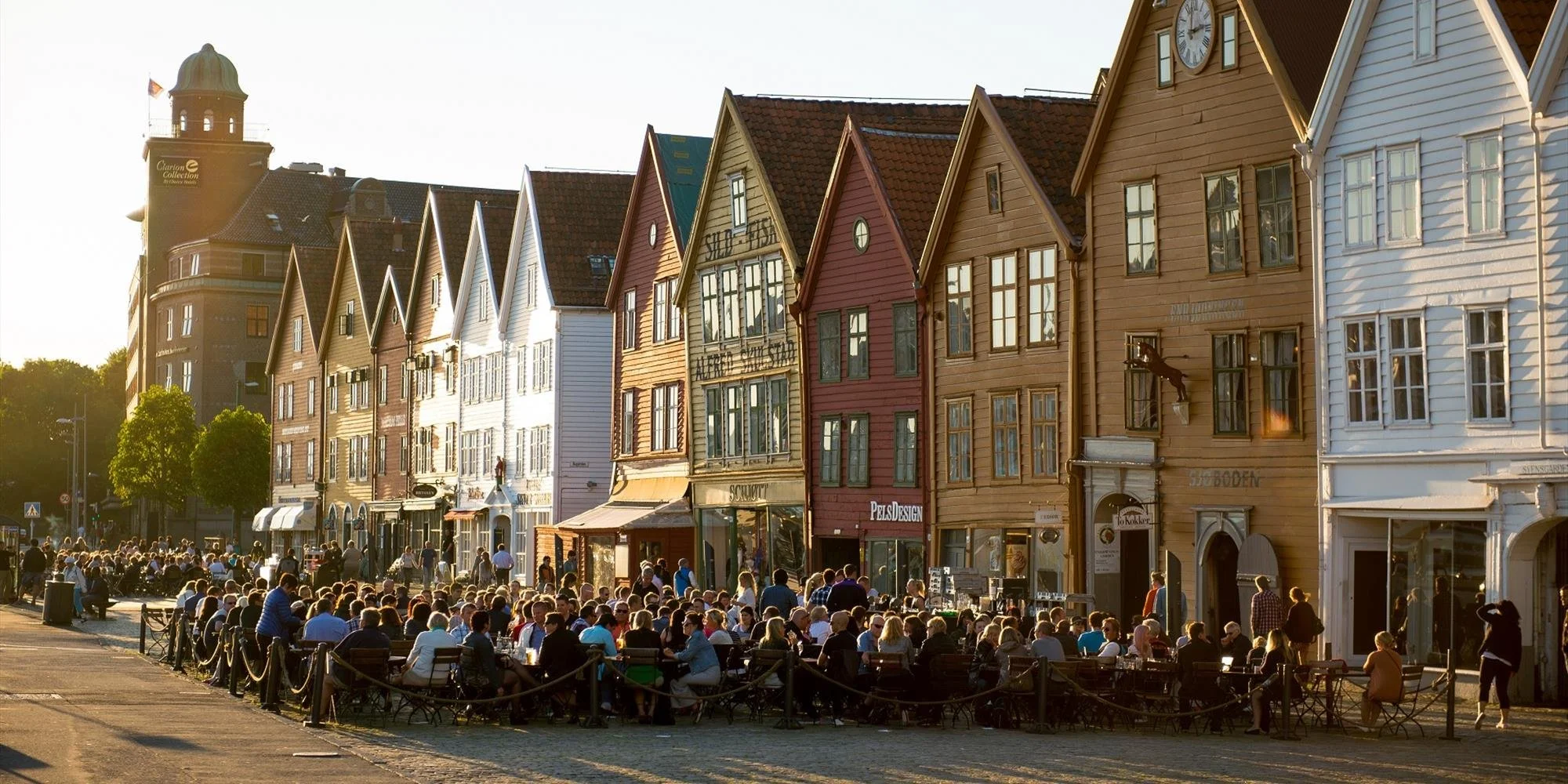
Happiness is Greater in More Scenic Locations
Evidence that the aesthetics of the environments that policymakers choose to build or demolish may have consequences for our everyday wellbeing
by Chanuki Illushka Seresinhe, Tobias Preis, George MacKerron, Helen Susannah Moat
Streets with No Game
Boring cityscapes increase sadness, addiction and disease-related stress. Is urban design a matter of public health?
by Colin Ellard
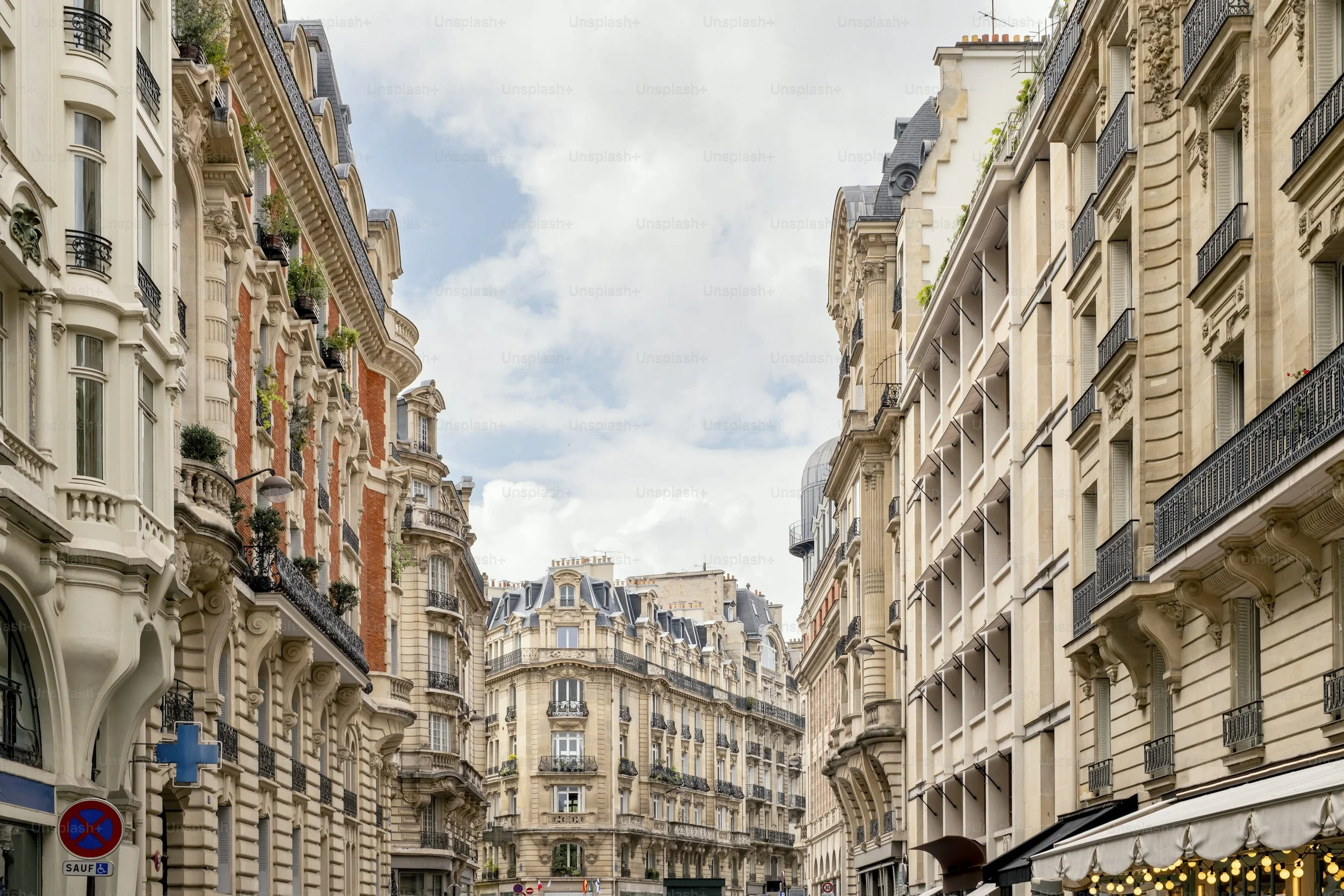
Which Architectural Style Makes an Attractive Street Scape?
Measuring the architectural preferences of city centre managers, this study indicates that city centre managers view classical architecture in terms of being better for city centres than modernist.
by Henrik Loodin, Ola Thufvesson
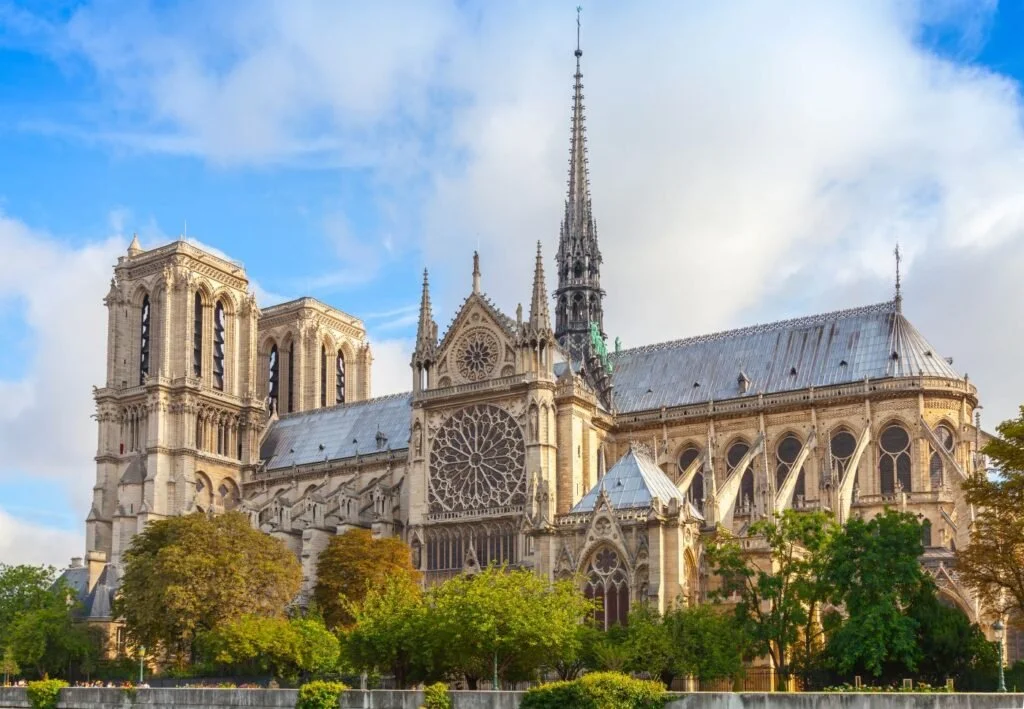
Architectural Beauty: Developing a Measurable and Objective Scale
Architectural beauty needs to be evaluated from its effects on human health. This study discusses two diagnostic tools for measuring the degree of architectural “beauty” and presents the results of the pilot application of one of them.
by Alexandors A. Lavdas, Nikos A. Salingaros
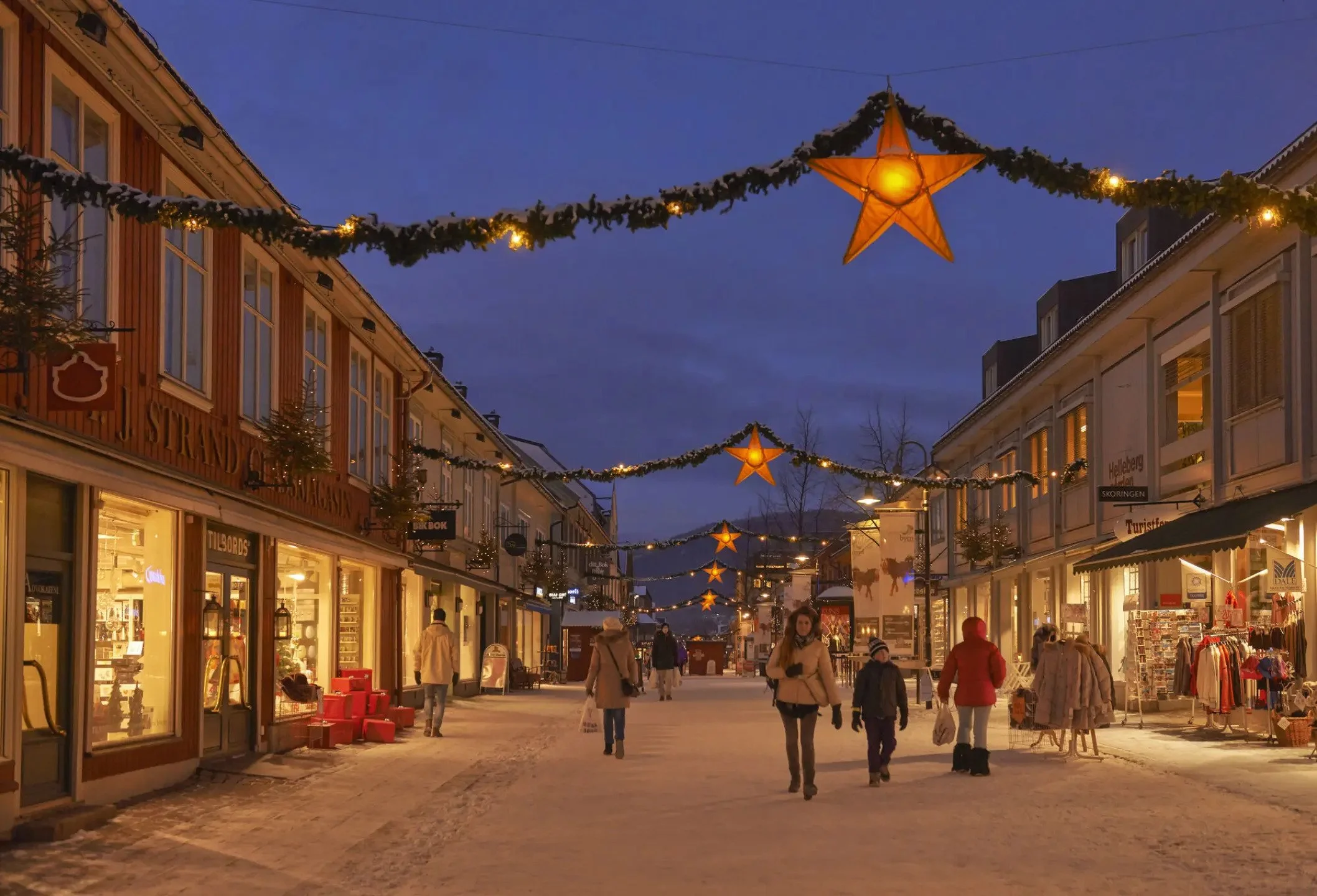
Why do some areas teem with life and others end up as grey, dead zones?
This is how we shape livable cities according to architect and city planner, Akkelies Van Nes
by Akkelies Van Nes, Ingrid Hope Leirvåg
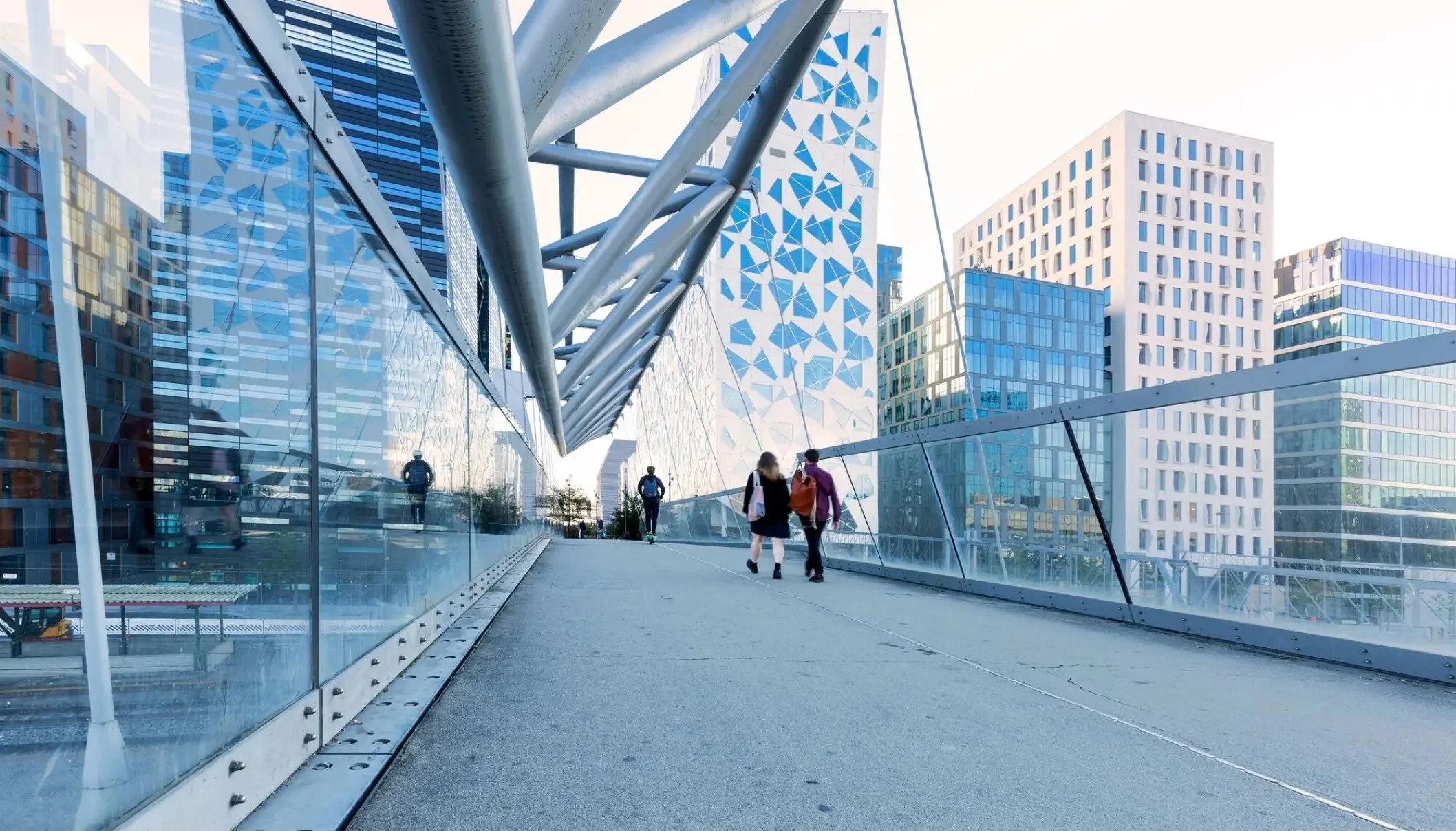
Architecture Affects our Health and Well-Being
Our built environment affects our health and well-being more than previously thought
by Emilie Wee