Friday 22.05
-
On Friday 22.05 you can attend the James Stevens Curl memorial event ‘The Joy of Beauty’. Many of his international friends and collaborators throughout the years will gather in the memory of James Stevens Curl at Gamle Raadhus, Oslo. The event is put together with an emphasis on architecture history, fresh new research, depth and scholarship.
Read more and buy tickets here.
12:00 - 19:00
The Historic Walking Tour has unfortunately been cancelled due to lack of capacity.
19:00
Drinks at Skyggesiden Bar
Saturday 23.05
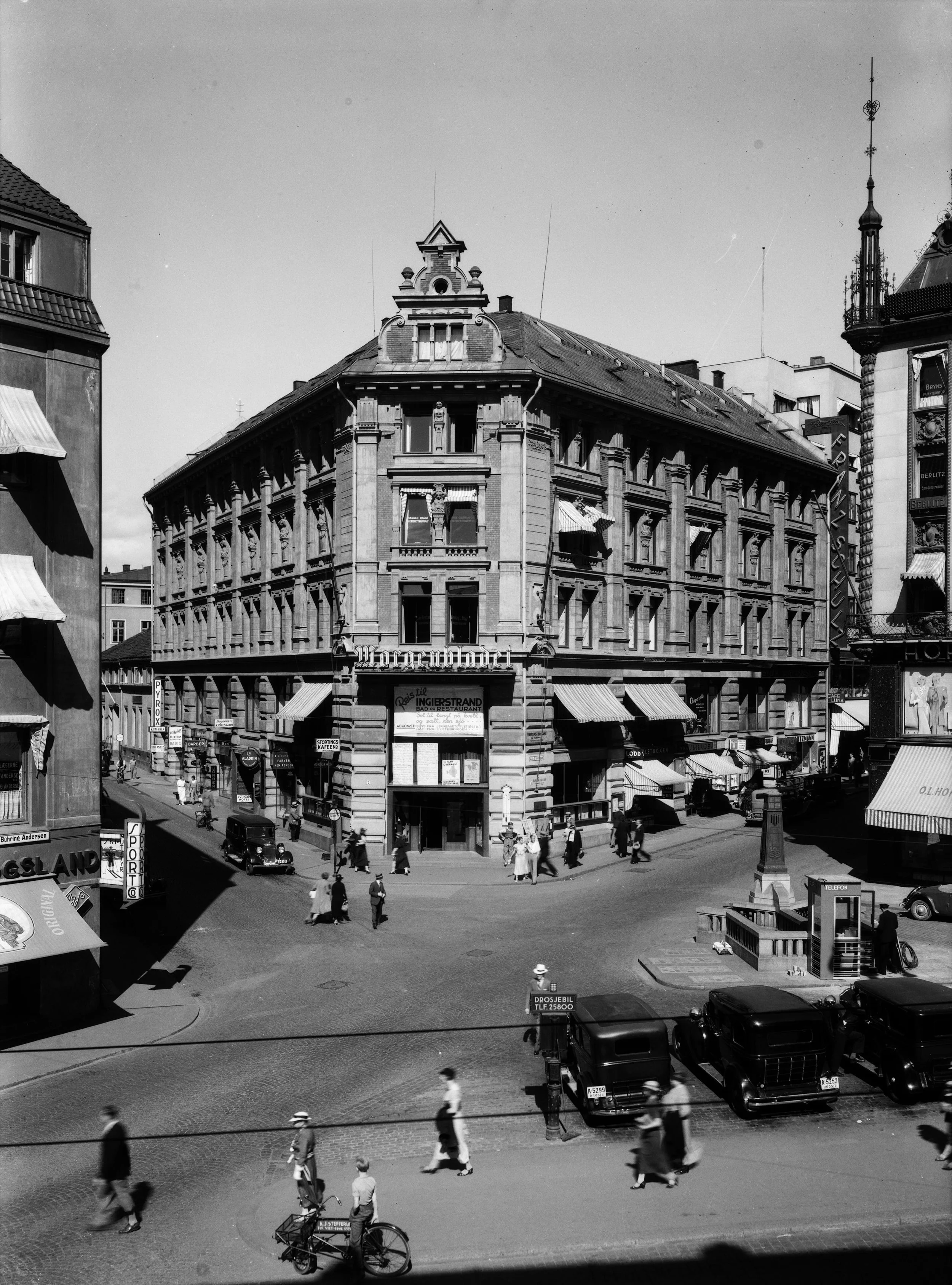
Håndverkeren, Rosenkrantz' gate 7, 0159 Oslo
10.00 - 11.00
-
Challenging the Modern Construction of Architectural Authenticity.
Why do we adore pre-twentieth-century city centers while often dismissing similar new construction as "inauthentic" or "nostalgic"?
This talk will examine the paradox embedded in the claim that “we can’t build like that anymore”. Michelle Sofge will explore how the moral and historical assumptions behind criticisms of traditional architecture predate Modernism, rooted in a historical rupture that began in the eighteenth century.
Join this talk to discover how we can legitimize building in continuity with the past.
-
The “Real Stuff” is a term we arrived at for use in our teaching practice, but which gathers together many of the things which we enjoy in architecture in general and classical architecture in particular – buildings whose construction and expression are entwined. This entwinement may be a reasonable definition of architectural authenticity, and it is a quality we seek in the work of our practice.
The talk will examine our attempts to grasp it and make it visible in our work and in the teaching studio, within the armature of the principles of classical architecture.
-
Contemporary classical design project. To be announced.
11.30 - 12.30
-
On Military Men, a Silver Mine and an Enthusiast.
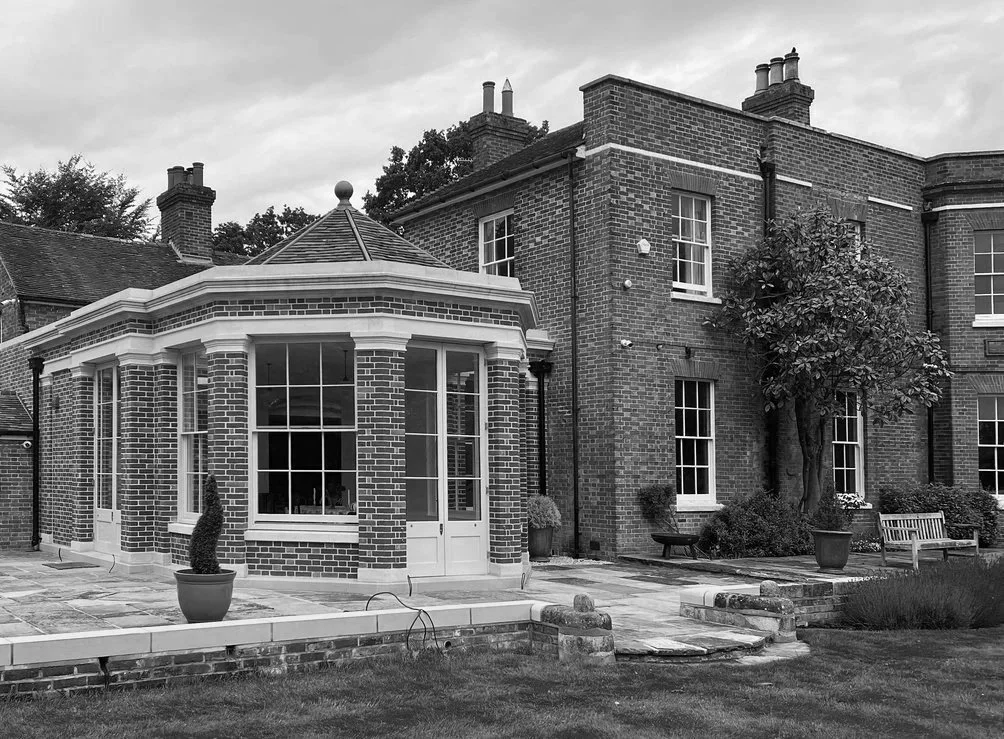
Join Elisabeth Seip for a fascinating look at the roots of architectural training in Norway between 1750 and 1850. She traces the education from early institutions like the Free School of Mathematics and the Bergseminar, which initially trained professionals in drafting and construction for both military and civil purposes. The talk details how, after the union with Sweden in 1814, growing demand led to the establishment of the Royal Norwegian Drawing School, Tegneskolen, in 1818. Learn how this new curriculum was profoundly influenced by the Academies of Art in Copenhagen and Stockholm, as well as the admiration for Karl Friedrich Schinkel.
-
Have you ever wondered why certain buildings feel instinctively beautiful? This keynote by Alexandros Lavdas dives into neuroscience and biophilia, arguing that architectural beauty isn't subjective, but an embodied cognitive response rooted in our human evolution. He'll introduce the concept of "visual grammar and syntax," showing how implicit rules found in nature and traditional design facilitate positive physiological responses in us.
Join this session to explore how grounding design pedagogy in our own biology can help us rediscover long-forgotten truths and create environments that are truly humane and meaningful.
12:30: LØNSJ (included)
13.30 - 14.30
-
Co-operative Classicism in Stockholm 1915-1930.
This lecture challenges the assumption that modernism was the necessary style for delivering affordable housing and high living standards in the Nordic welfare state.
Turning to Stockholm's co-operative classicism (1915–1930), Jan Ryden Bonmot presents picturesque neighbourhoods built to a high technical standard and offered for rent at 20–40% below the private market — proof that beauty and affordability were never truly in conflict. At the heart of this story is a productive combination of craft and industry, one that achieved both the pace and the quality that large-scale housing demands. It is a model with lessons that extend well beyond its time.
-
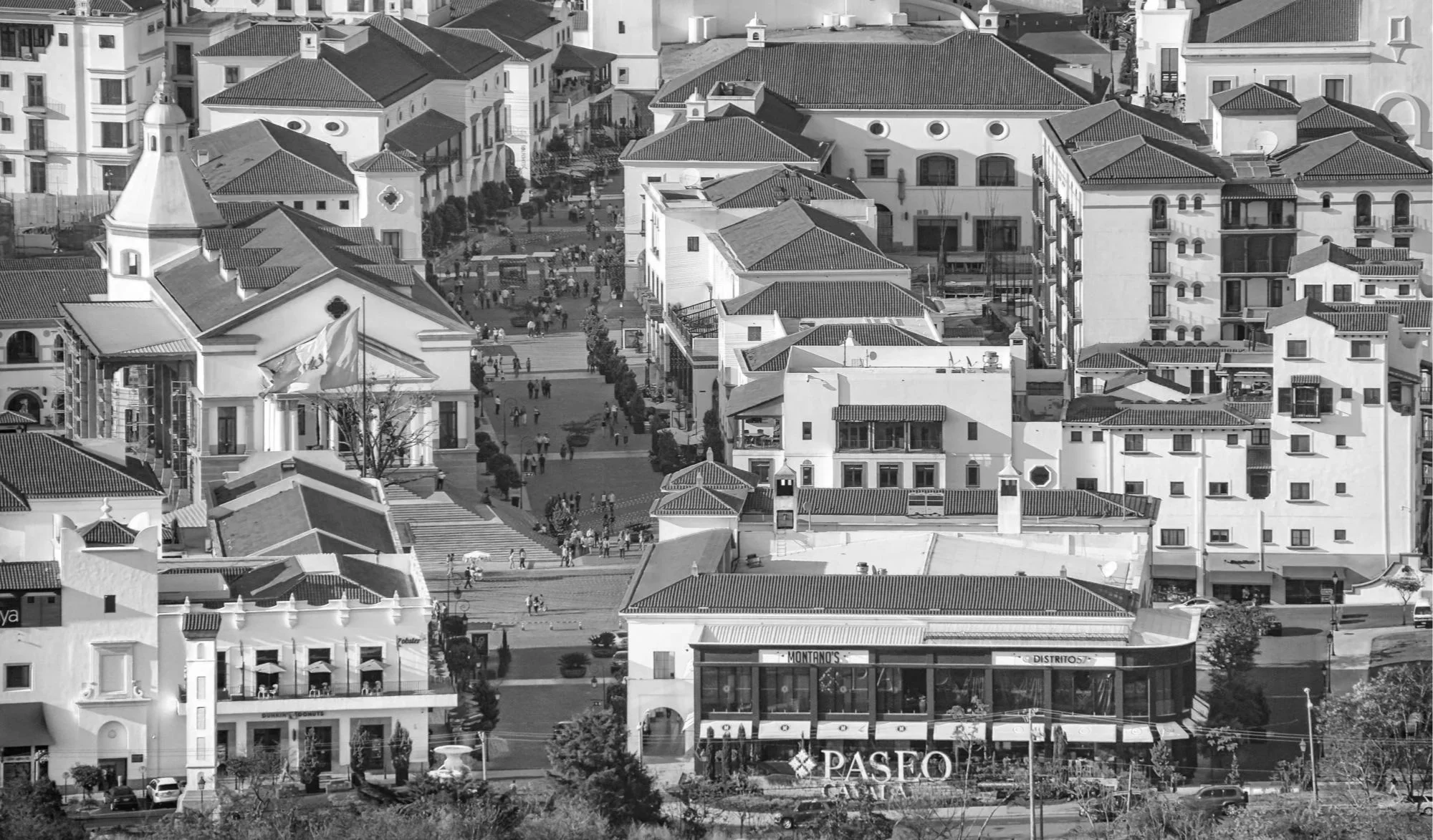
Many housing projects’ aesthetics are results of multifaceted challenges - from regulation adherence and cost optimization to speed acceleration and market expectations. RALF SCHMITZ GmbH in Germany brings a long building tradition to this context, showing how development can still be guided by beauty, permanence and responsibility. How does that work in practice?
In conversation with Roman Pastoors, Co-CEO of RALF SCHMITZ, we will explore how a project begins, how the project finances are steered, who sets the boundaries, and what it takes to pursue architectural quality in today’s building industry. Is beauty in housing necessarily a luxury — or can it be understood as a long-term responsibility, an element of sustainability?
15.00 - 16.00
-
After the Second Industrial Revolution, the Modernists pushed to define a universal aesthetic philosophy for a new technological age. Taken to its extreme, this drive toward novelty and the avant-garde gave way to its opposite: postmodernism — an aesthetic of irony, cynicism, and hyper-subjectivism.
As another industrial revolution is underway, the question returns: do we have the agency to steer these tools toward truth, beauty, and goodness?
This talk traces two centuries of resisting the machine — asking why it kept losing and what that history reveals about the choices now before us. It examines uses of technology in the built environment — destructive and hopeful — and asks: which tools should we use, and which should we avoid, to build an optimistic future?
-
-
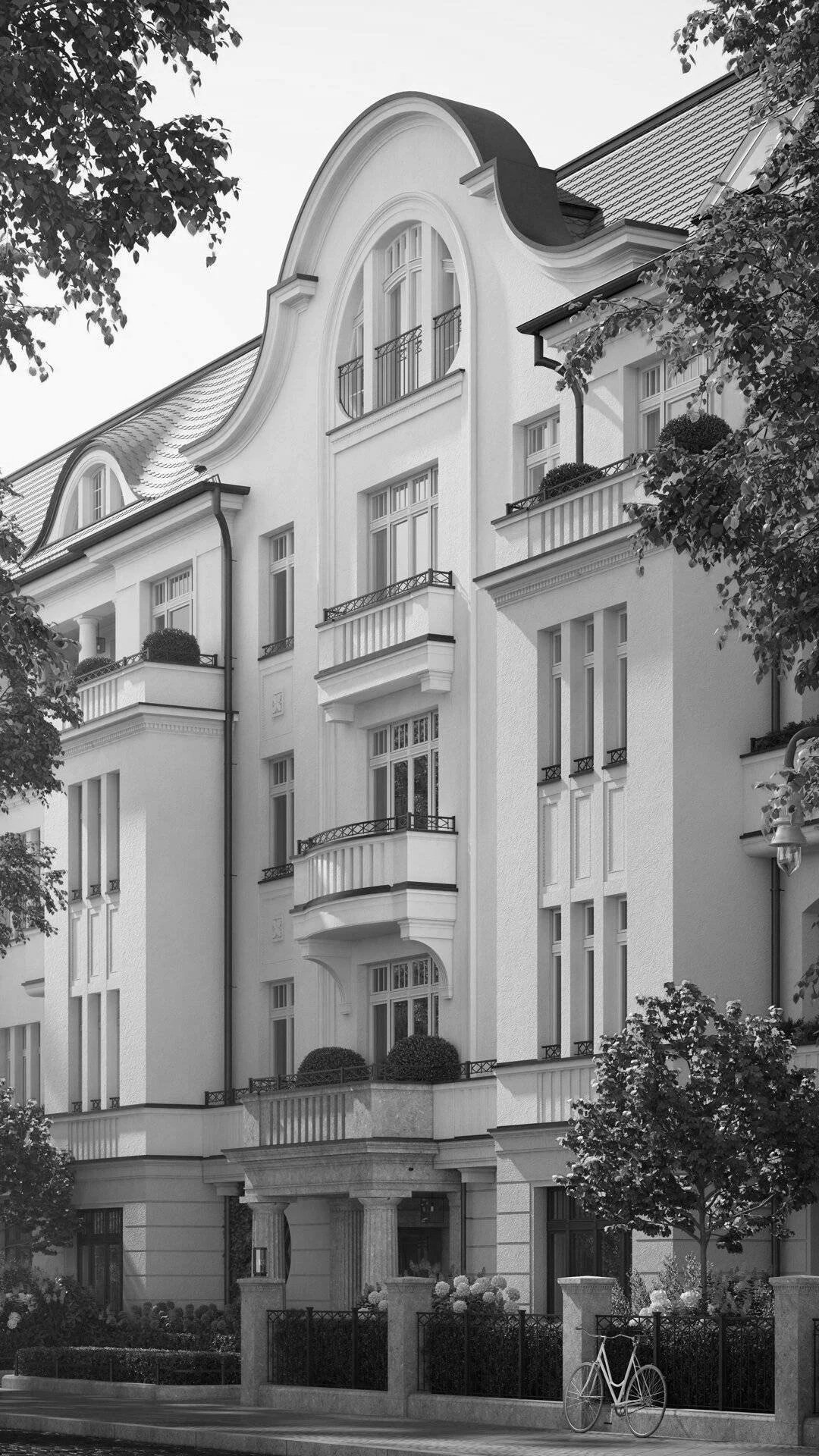
Everyone wants beautiful streets — but how do we translate that intention into built reality?
Drawing on over a decade of research and practice across the UK, Create Streets examines how clear, visual and precise design codes can bridge the gap between ambition and built reality. Through real-world case studies, Robert Kwolek will show where coding works in practice — from street form to building detail — and how getting it right builds community trust, reduces planning risk and delivers locally distinctive places.
16.30 - 17.00
-
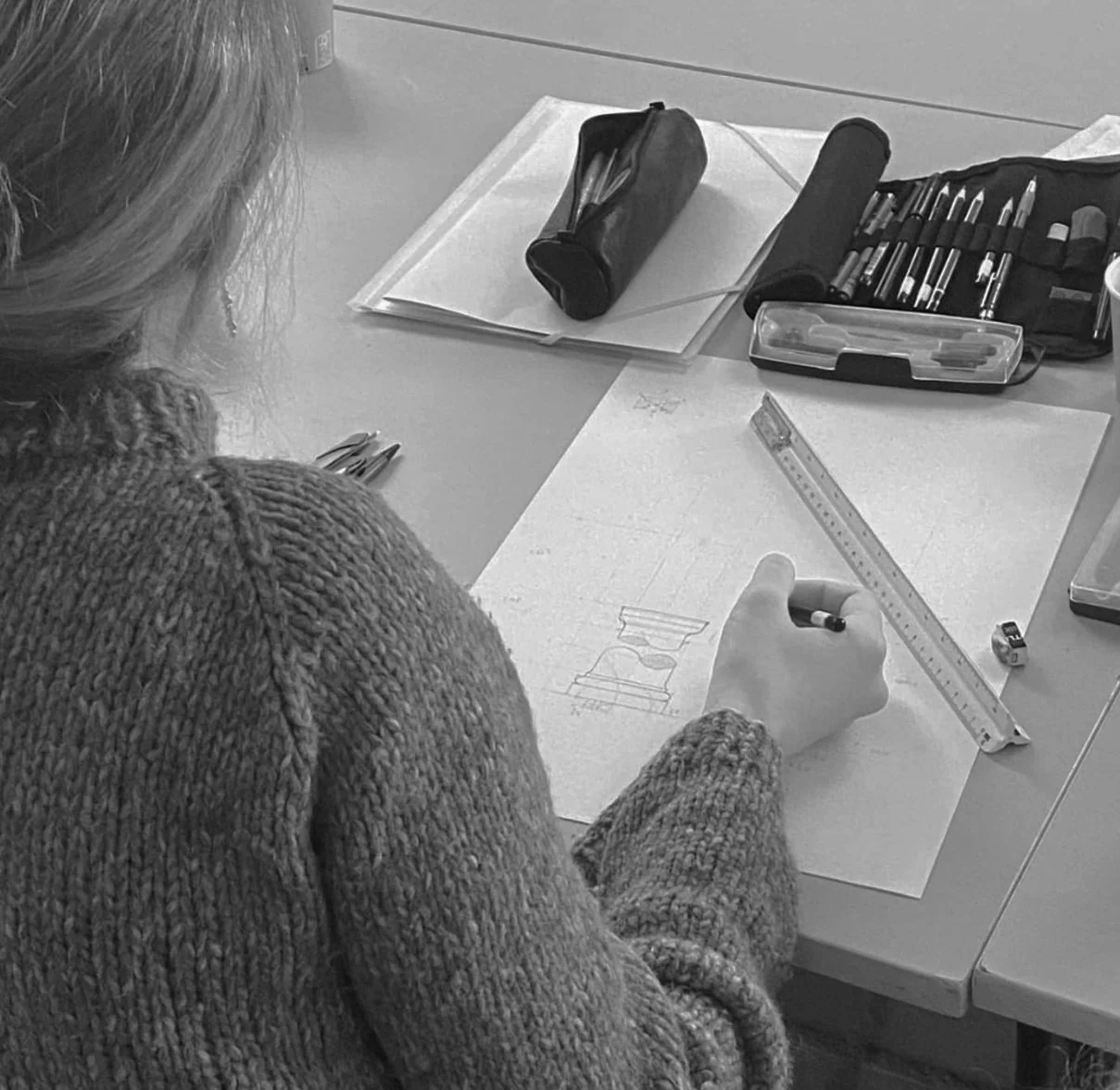
A guided drawing exercise on the principle elements of classical architecture and their use, tutored by Pablo Alvarez Funes from the Classical Planning Institute.
No previous knowledge or experience is required and all are welcome!
Conference Dinner
Sunday 24.05
-
What is the core difference between dull, plain forms and truly beautiful buildings? Russell Taylor argues that the secret lies in the details: the mouldings and profiles that Modernist architecture largely rejected.
This session is a practical masterclass offering a direct introduction to designing with proportion, mouldings, and profiles. Learn how to confidently guide builders and craftsmen to create those beautiful details that make all the difference, transforming your designs into enduring architecture.
-
The relationship between an artist's vision and a craftsman's skill is alpha and omega.
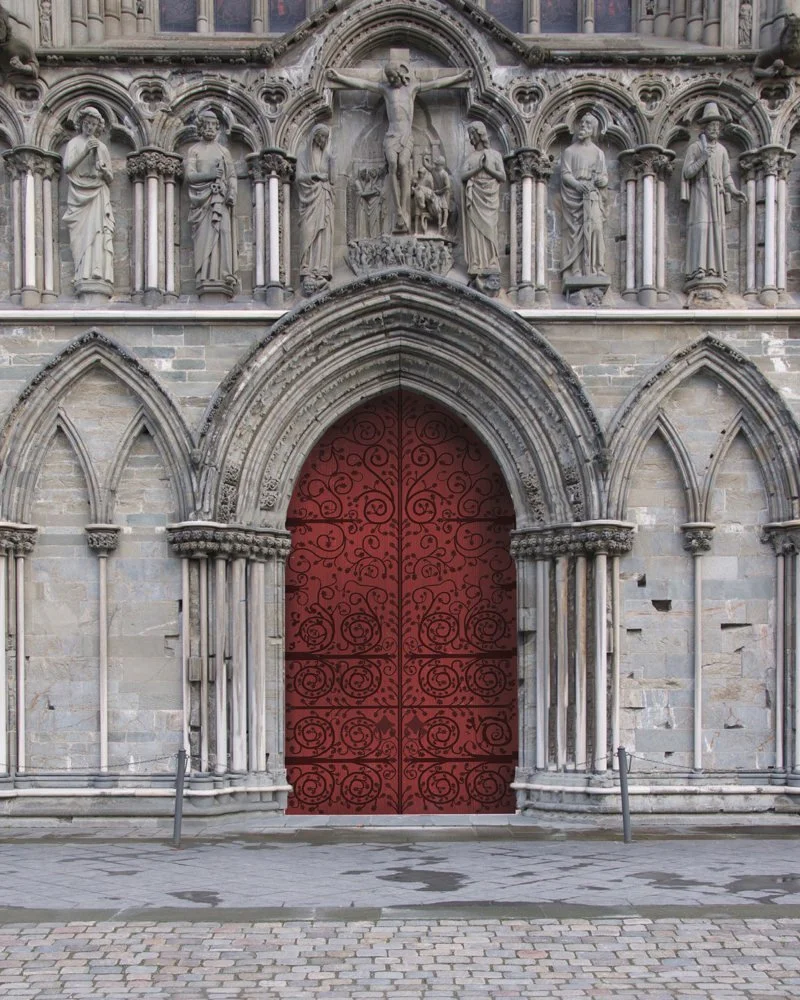
Magnus Vartdal is a traditional blacksmith at the Nidaros Cathedral Restoration Workshop, where he is forging new ceremonial doors to Fredrik Tydén's ambitious Gothic design. He will show us how the creative dialogue between artist and blacksmith continues to shape the decorative work—a design set to become this century's finest piece of forged ironwork in Norway.
10.00 - 11.00
-
-
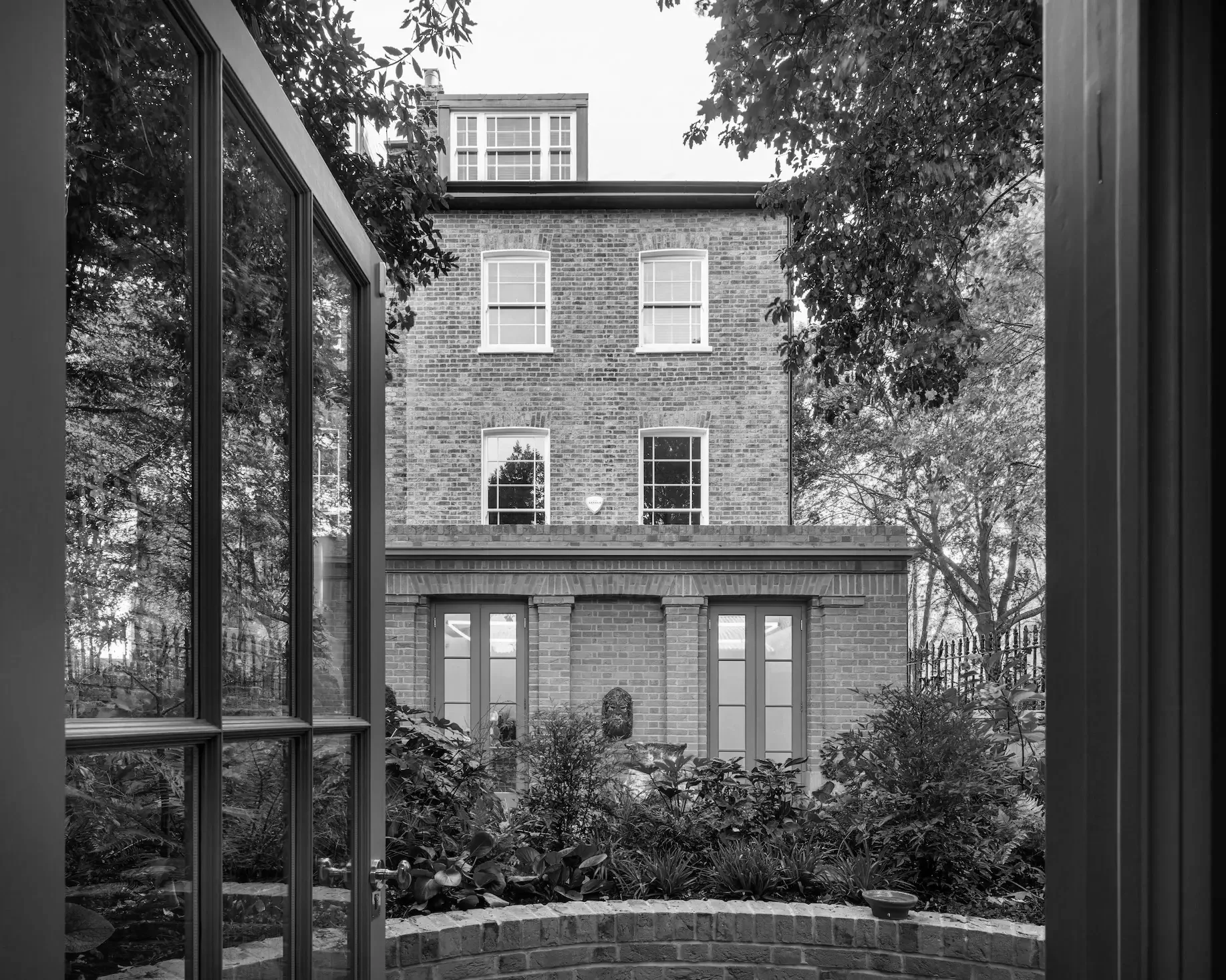
Craft is learned slowly, passed on in person and disappearing faster than we can document it. How do we keep it alive?
In this conversation, three craftspeople from different traditions gather to reflect on what their work means for architecture — the identity it gives to buildings, the fragile chains of traditional knowledge, and how it can be cultivated in the modern design world.
11.30 - 12.30
12.30: LØNSJ (included)
-
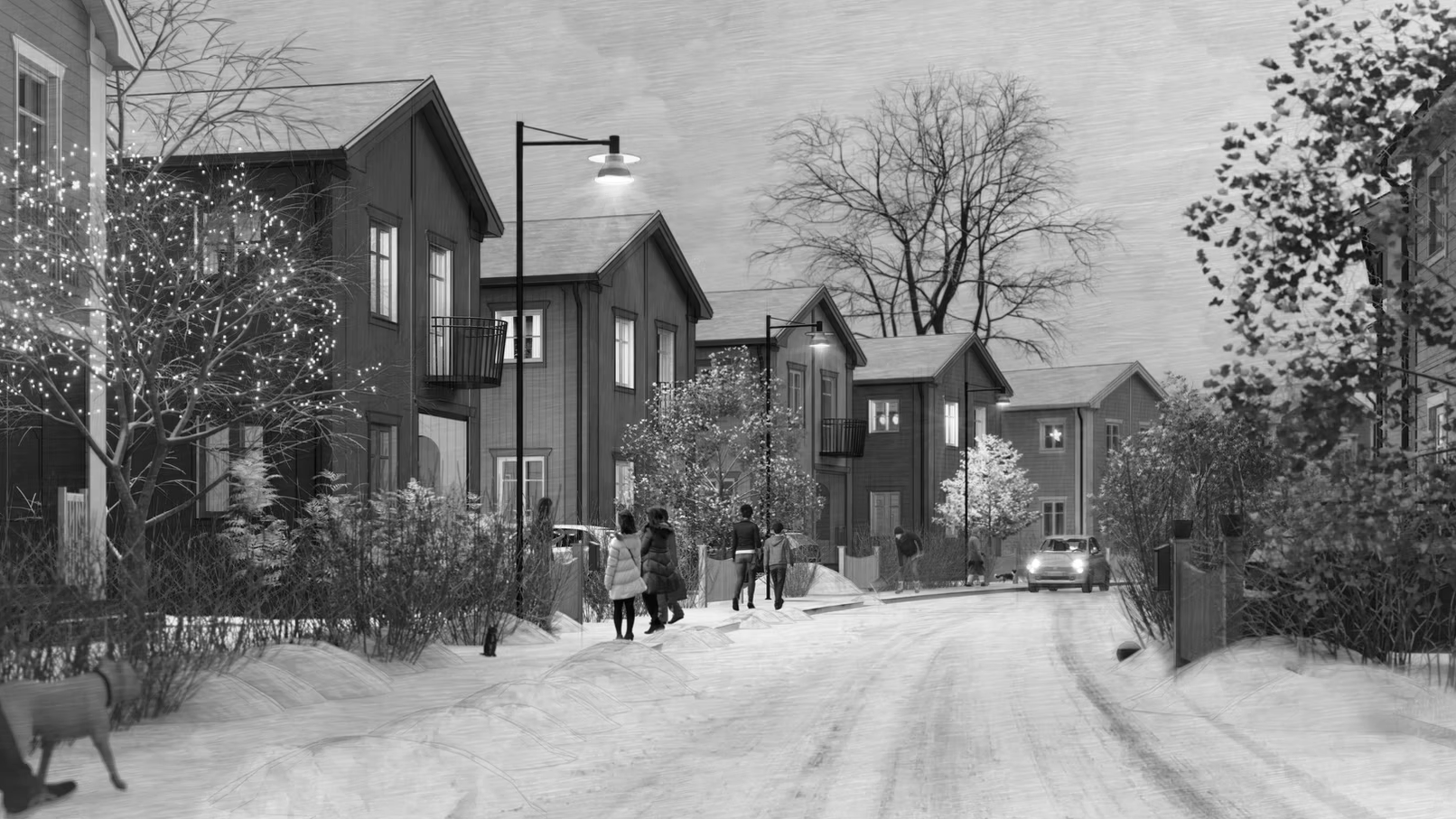
The garden city tradition is often dismissed as nostalgia — but could it be the most future-oriented model we have?
Architect Erika Wörman argues that the most sustainable urban environments are emotionally durable: the places we genuinely love, we also care for and wish to preserve. Drawing on contemporary projects such as the Kartanonkoski district in Finland, she will present the garden city as a living framework for addressing loneliness, environmental pressure and the growing public demand for more beautiful cities.
-
Explore the pivotal tradition of the "Grand Tour" and its foundational role in shaping Nordic architectural heritage.
Mats Edström highlights how architects like Isak Gustaf Clason became "continental architects" by studying southern European styles firsthand. Discover how they successfully transformed this profound knowledge into new design principles, creating a significant and beautiful part of Sweden's architectural identity today.
13.30 - 14.30
-
Hundred Years of John Harbeson’s The Study of Architectural Design
The educational model of the École des Beaux Arts is often viewed as a matter of legend today, but how much can we still learn from it?
Branko Mitrovic analyzes John Harbeson's 1926 book, The Study of Architectural Design, which meticulously documented the replication of this pedagogy in the USA. This presentation will extract and evaluate the key information available in Harbeson’s work. The primary aim is to determine the extent to which this historical Beaux-Arts pedagogy remains applicable in our contemporary architectural context.
-
New designs from young architects of the new classical movement. More details to be announced.
15.00 - 16.00
-
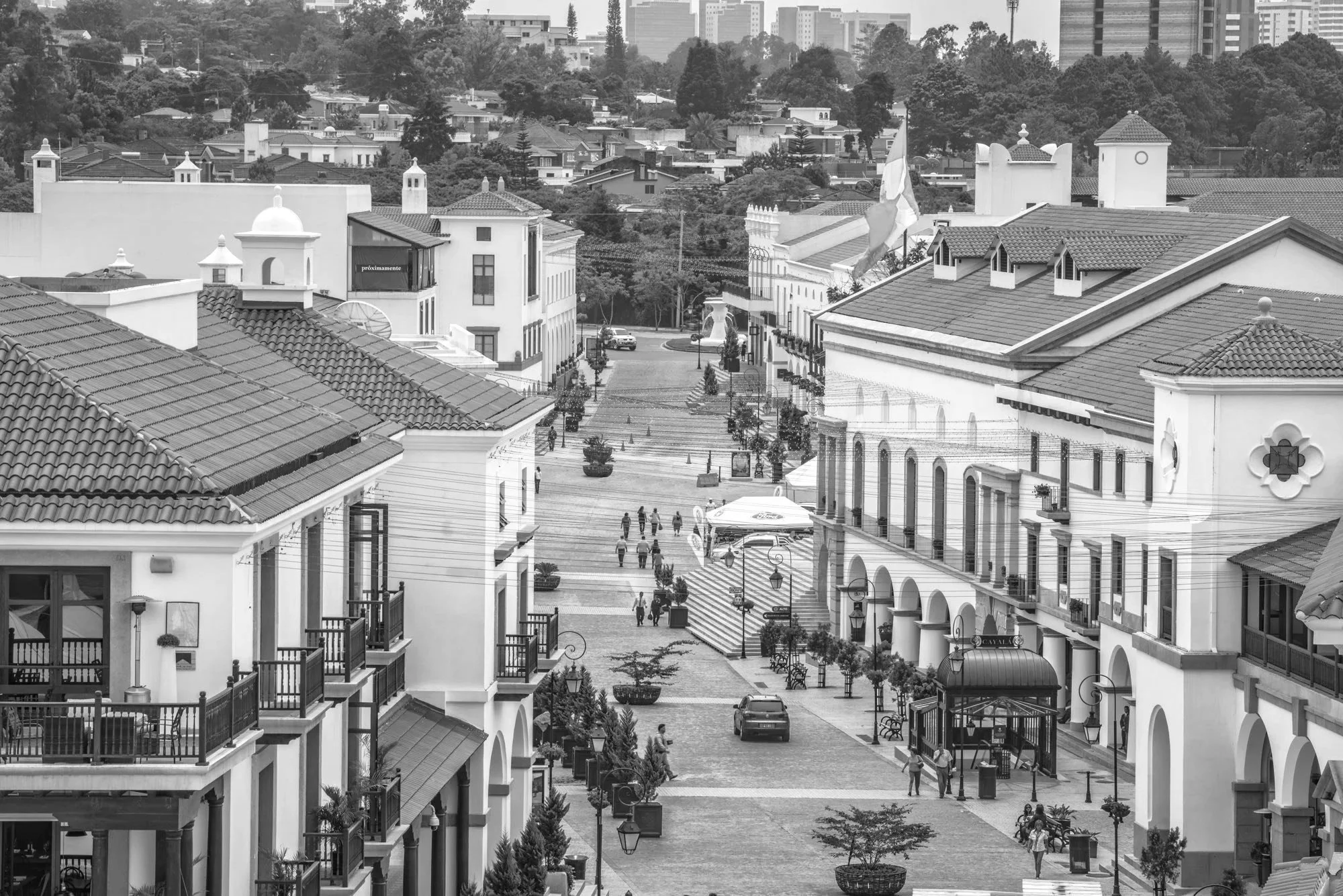
Beauty has returned to the centre of the architectural debate. But what do we mean by beauty in architecture, and how can it become part of ordinary building practice again?
This panel explores whether today’s debate is really a conflict between beauty and ugliness, or between different ideas of beauty. The discussion will move from principles to practice: public taste, professional responsibility, tradition, innovation, design codes, affordability, education, craft, sustainability and political will.
At stake is how we move from admiring beautiful places to building them again.
Moderator: Lars Anders Johansson (SE)
Participants: Erika Wörman (SE), Russell Taylor (UK), Kjartan Moi Andreassen (NO) og Kai Reaver (NO)
16.30 - 17.00
Drinks at
Bristol Pub 19:00
Monday 25.05
-
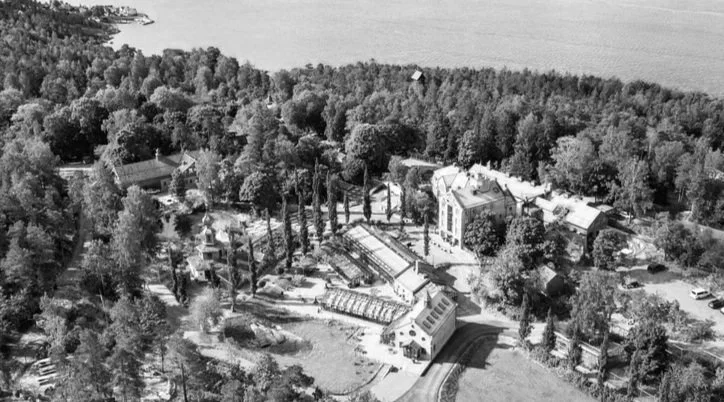
Visit the Ramme estate on a guided tour with its creator Petter Olsen – the baroque-inspired garden and the biggest private collection of paintings by Edvard Munch. Tickets sold separately. Read more here.
12:00 - 19:00